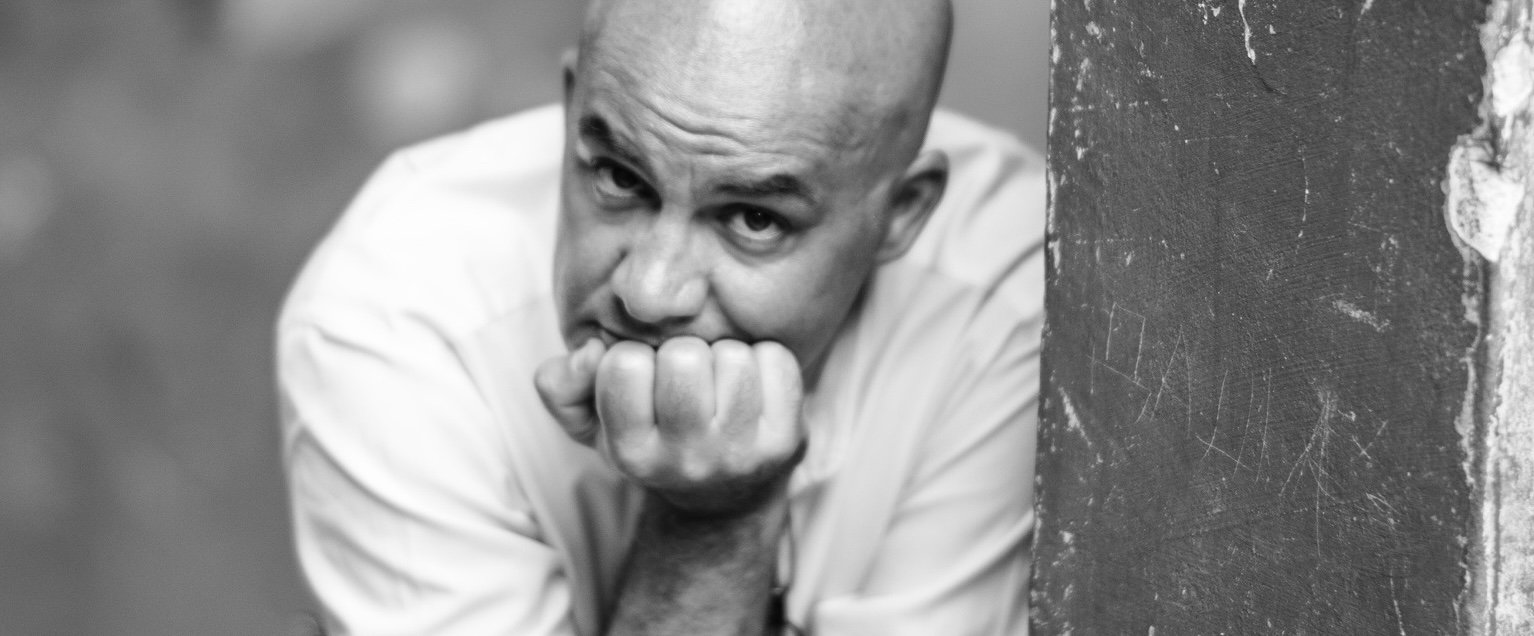
Architect, author, teacher and artist, Paolo Conrad-Bercah has built a career that crosses boundaries between disciplines and countries with as much freedom as his thinking. After studying at the Politecnico di Torino and the Harvard Graduate School of Design, he worked with Aldo Rossi and Ignazio Gardella in Milan and with I. M. Pei’s practice in New York, before establishing his own studio, c-b a. He has taught at Harvard, lectured at MIT, and currently teaches at the Politecnico di Milano and the University of Genoa. His architecture includes Berlin’s Bercahaus, the city’s first five-story highly prefabricated building, whose timber structure was assembled on site in just 21 days.
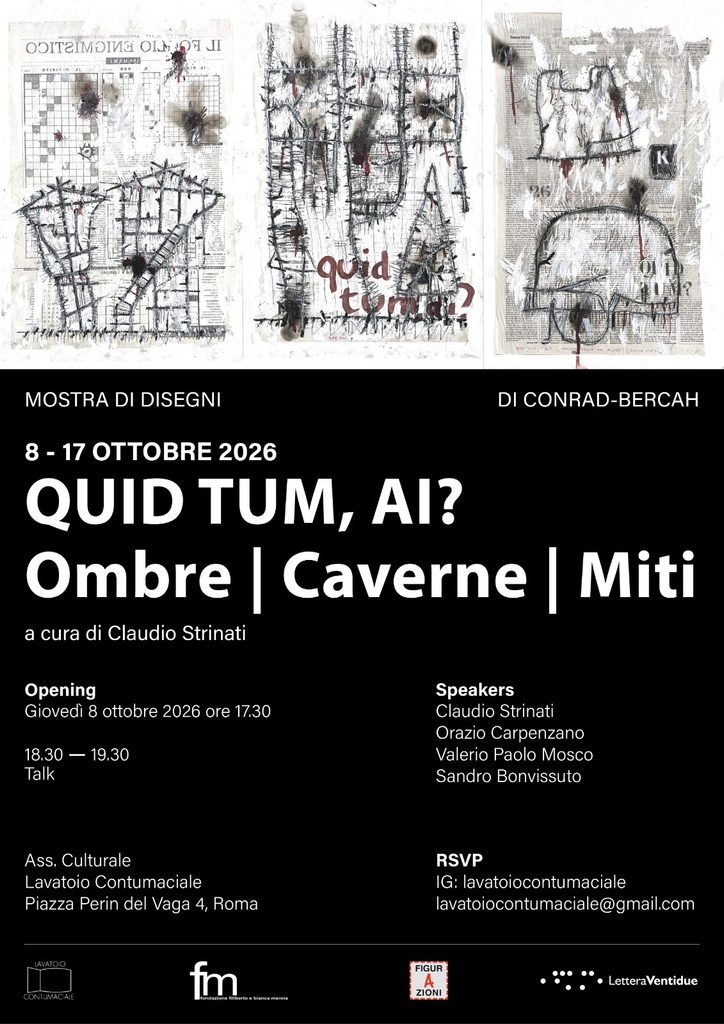
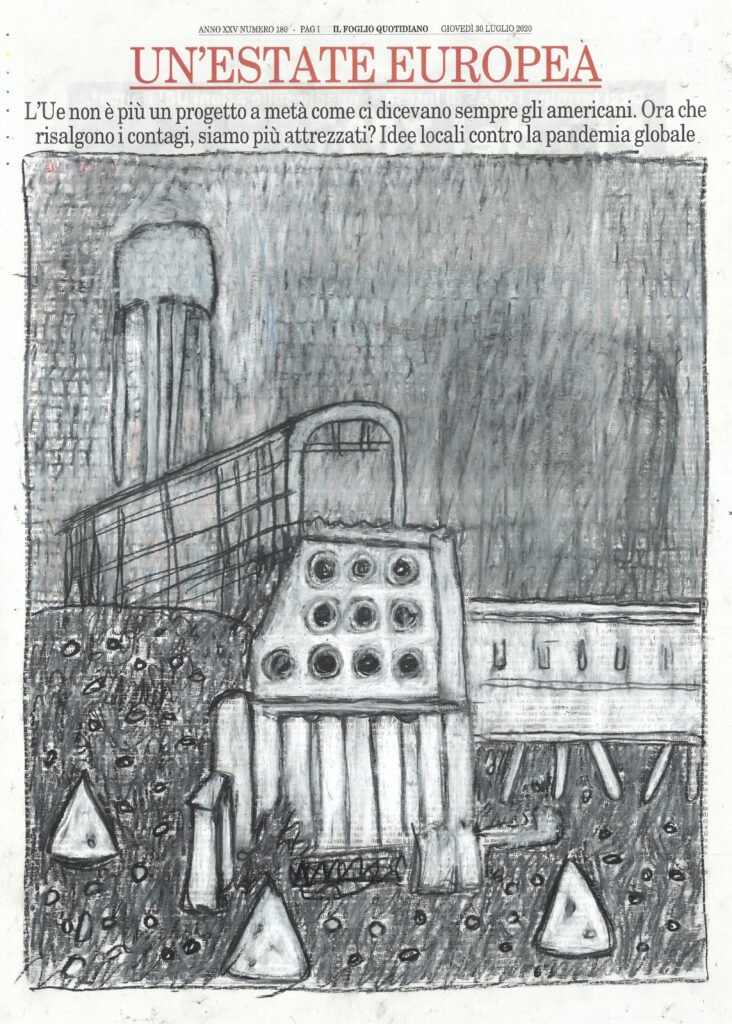
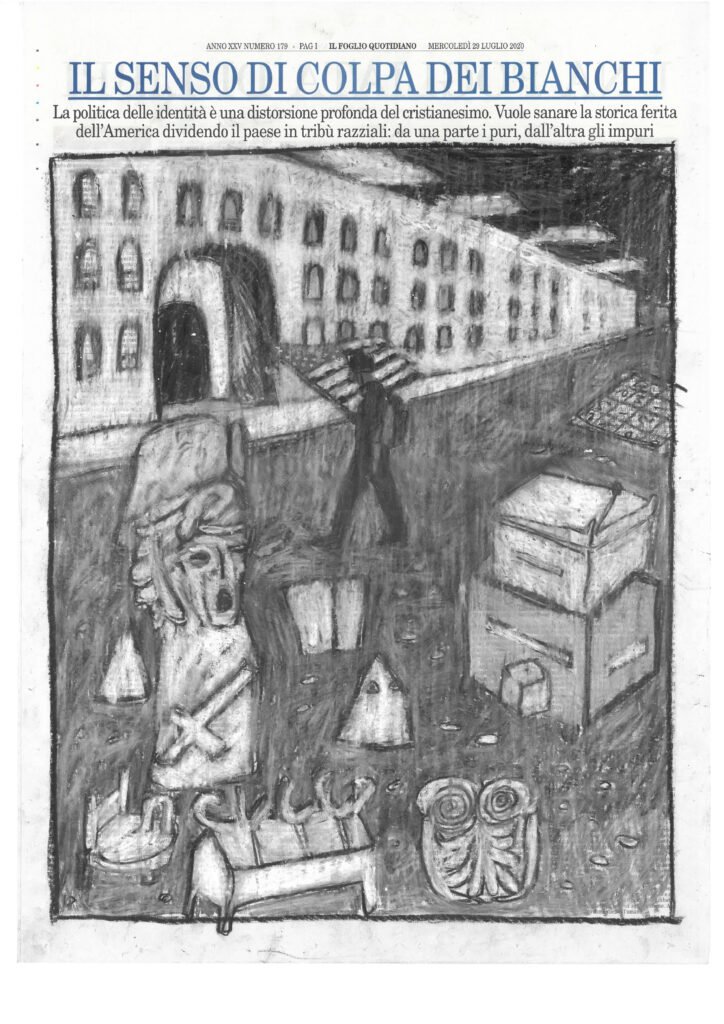
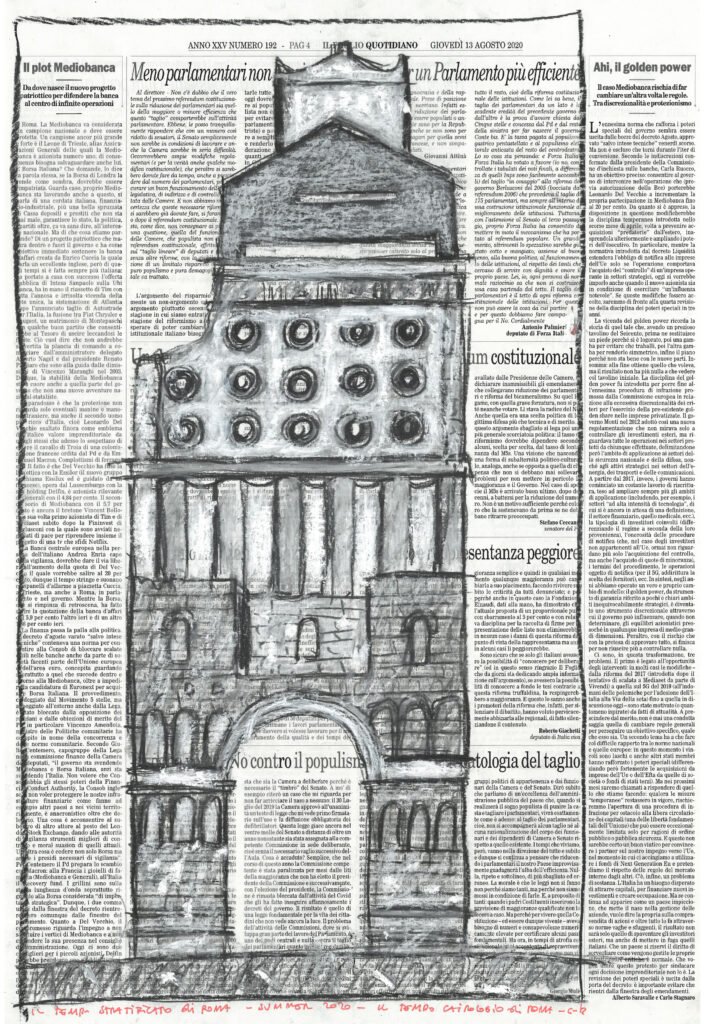
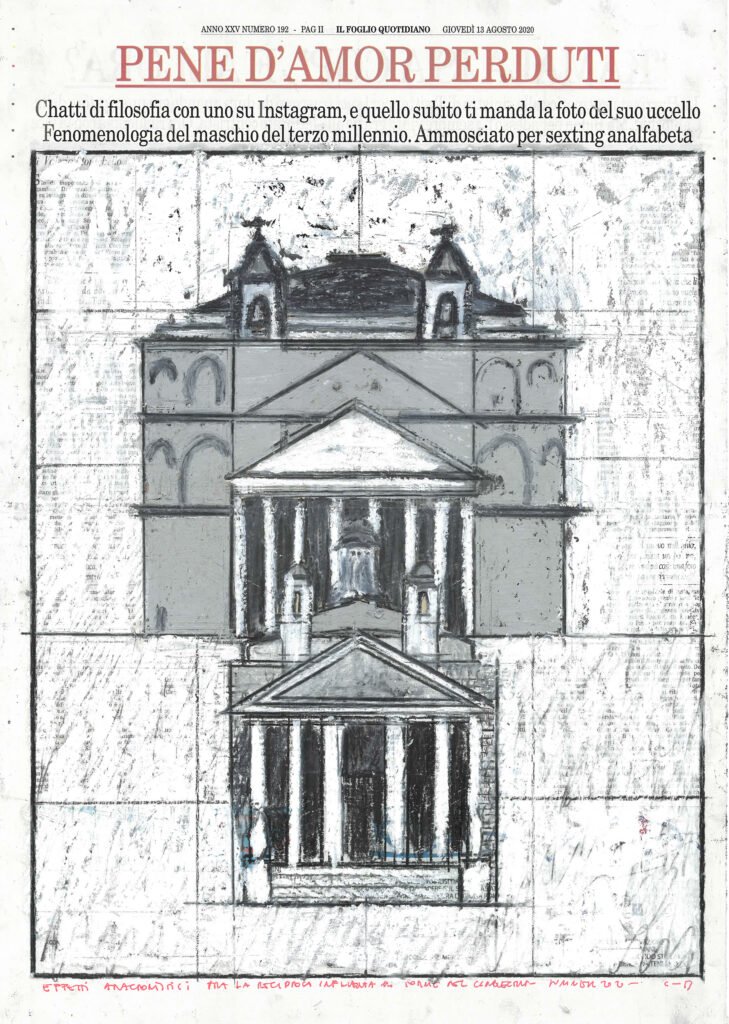
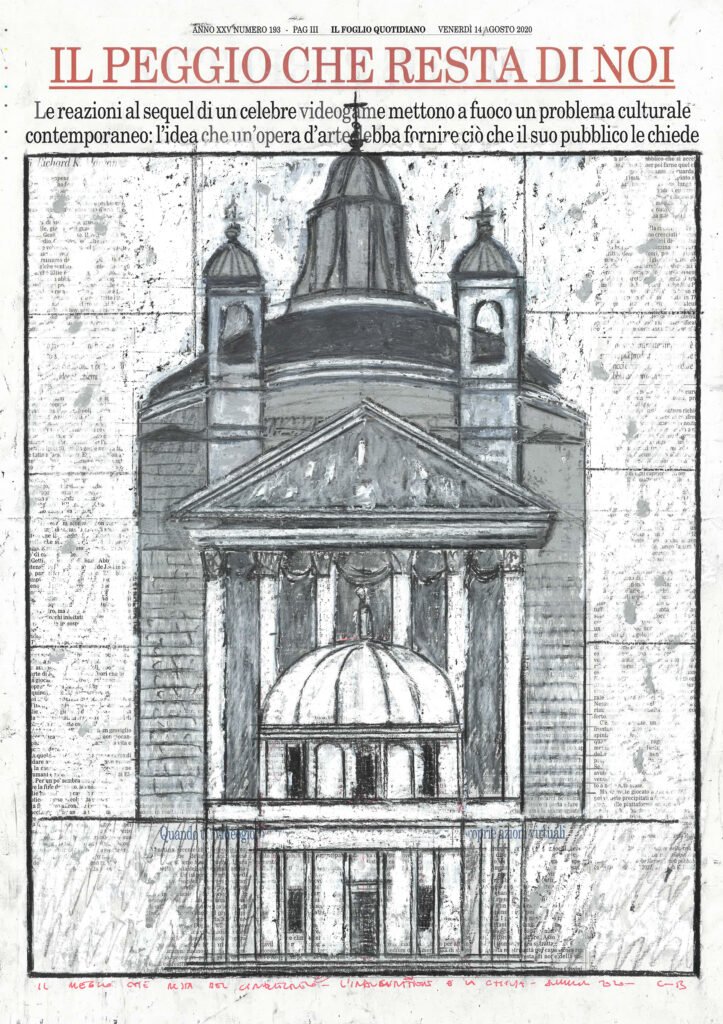
His books and drawings explore many of the same preoccupations that run through his architecture: cities, aesthetics, memory and the passage of time. This October, another strand of that multidisciplinary practice comes to the fore in Rome with Quid Tum, AI? Ombre | Caverne | Miti, an exhibition bringing together 36 drawings produced in 2026.
At the same time, as a counterbalance to the intellectual rigor, there is something very instinctive about his approach. He begins drawings without knowing where they will lead and travels in much the same way, preferring discovery to a fixed itinerary and conceiving the role of a traveler as that of a seismologist, registering and recording the waves of pathos of the place. Wherever he goes, he also tries to visit a cemetery, partly to understand who held power in that society and what that reveals. For him, the measure for architectural success is whether the architect has been able to transmit pathos to the observer.
His devotion to free hand drawings with no pre-fixed outcome is both a form of meditation and an exercise in confronting the blank page and the unknown. Perhaps that willingness to venture into the unknown also says something about the outspokenness that has come to characterize the formerly self-described “shy teenager”. I have witnessed firsthand his fearlessness in speaking out against injustice, when keeping quiet would certainly have been easier and more advantageous to him on a personal level. Perhaps that is why his description of being driven by either “love or outrage” struck me as so apt.
ORIGINS, ARCHITECTURE, DRAWING & THE TRAVELER
If you had to describe yourself in three words, what would those three words be?
Architect, author and intellectual.
What three things could you not live without?
Movies, art exhibitions and books.
What’s something about you that would surprise people who only know you professionally?
I have an approach that is quite personal, but it’s not very popular these days. It refers back to an ancient Italian tradition that has been somewhat lost because of the way the market is evolving. I can only interpret my profession as an intellectual service, which is not really the case anymore. Some of the most successful so-called architects have no intellectual ambition whatsoever.
And that’s a problem to me because it’s like a misunderstanding of the DNA of the profession, of the nature of the profession. I find the way that the architect was understood in the Renaissance is much more interesting.
Basically, if you look at the career of these people in the Renaissance, you had to prove yourself as an artist first, and once you did that, you would get architecture commissions. I’m not saying that this should necessarily be the case.
But I am saying that you have to have a general understanding of the society you’re in, and you have to be aware of the evolution of the culture, of the way it’s going, in order to produce a comment on it, if you want.
Whereas much of what gets done today has none of that ambition, because it has become very mechanical. It’s closer to the job of what is in Italy is called a geometra [an Italian technical professional who works on the practical aspects of building, surveying and construction]: It’s just, give me a program, I put it together, it fits.
And this, to me, is not very interesting. If the profession is reduced to that, then I would be doing something else, because it’s not much different than working in a bank or an insurance company.
And nowadays perhaps a computer can do it as well, right?
Yes. Well, yes and no, because you need to have some sort of a consciousness to do this job. And I don’t think that AI is there yet. People are saying that maybe it will get there. So far, I don’t see it.
But what you can do is you can put in a program, put it into one of these apps and tell it, ‘I want to do this in the style of Frank Lloyd Wright or whatever.’ And they do it.
But that’s another problem, because there’s nothing personal about it.
There’s no soul.
Yes, exactly.
BECOMING AN ARCHITECT
When did you first realize that architecture was going to be your life’s work?
I never quite realized it…I chose architecture as an education because at the end of my liceo, I really didn’t know what to do. I was interested in it.
I went to a scientific high school, but we had, of course, a classical component to the education, and I became interested in philosophical speculation. Let’s put it this way: philosophy is a profession that tries to make sense of the wonder of the universe. And that, to me, is a somewhat irresistible activity. There is a lot of wonder in this world, and I cannot stop trying to ask myself “What is the reason behind this? What produced it?” That is the aspect of philosophy that I find super interesting.
And when I think about it, I think that this is what I’ve been doing in a very intense way for the last 20 years. And it’s not something that I had control over; I just do it. It’s probably not very rewarding, timewise or economically. If you examine it logically, it’s probably a waste of time.
But then in the end, a painting of Leonardo is just paint on a piece of wood. And yet the work is worth a hundred million dollars, so the threshold is not very fixed.
I can’t help it. And I normally do it out of two reactions, either out of love, meaning that I’m completely attracted to something, or out of outrage.
If I find something very disturbing, I have to take a stand against it. But this is also not something that I plan or I do because there is a goal to achieve, or because it’s beneficial. Because most of the time it’s absolutely not beneficial to me personally.
THE TRAVELER
Was there something in your childhood or family environment that made you particularly sensitive to buildings, cities or visual forms?
No, I think I’ve always been attracted by this urban poet. There’s a French word for it, flâneur. People like Walter Benjamin.
Walking in cities, in urban environments, is something that I always found attractive and compelling, even walking without a goal.
There are a number of ways of travelling. You can prepare and have a very detailed program, but the other way is just to go and see what happens, what you happen to see. And I’m more attracted to the second one. There’s an element of casualness and an element of discovery, of unplanned discoveries.
Most of these drawings, I don’t know what they are when I start them. I start drawing without knowing exactly what I’m doing. It’s a painful process, but once you are done, it’s also rewarding.
The way I travel is pretty much the same. Wherever I go, I normally go to see a cemetery, for two reasons. Number one, to understand who had power and who didn’t. And number two, because it gives you a fairly accurate portrait of the kind of society that produced the graveyard.
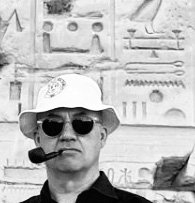
Photo: pipe
There’s this American author called Paul Bowles, who lived in Tangier most of his life. He’s the one who wrote The Sheltering Sky. In one book, I suppose The Sheltering Sky, at the beginning he says there is a very big difference between being a tourist and being a traveler.
A traveler starts the journey and doesn’t quite know when the journey is going to finish. Potentially it could go on forever. And most importantly, a traveler’s personality and way of living, being in the world, is very much transformed by everything he sees.
Whereas the tourist, number one, cannot wait to go home so that he can tell his friends what he saw. And number two, the tourist remains completely untouched by anything he sees. And I found the lifestyle of the traveler to be irresistible, and that of the tourist to be horrifying.
I recognize myself in the traveler, even though today it’s very, very hard to be one because, for instance, you have to book every single museum visit and everything ahead of time. There are too many people travelling at the same time. This lifestyle, this way of approaching travel itself, is becoming almost impossible.
But this is the way I do it. This way is something that I particularly enjoyed when I was growing up.
ARCHITECTURE, WRITING & DRAWING
The Italian tradition has often regarded architecture as the sum and synthesis of all the arts, an idea that goes back to the Renaissance concept of disegno. Do you see drawing and writing as complementary to your architecture?
Yes, absolutely. To me, it’s a multifaceted profession, and you cannot take away these facets. This is a very Italian way of understanding the issue, arguably because of the history in this country.
When you look at history, the most studied architects are the ones who did exactly that, who produced theoretical speculation or artistic activity somewhat connected to their professional activity.
To me, writing and drawing are intimately connected. Sometimes I write about things that I draw, so they are instruments. They are vehicles for thinking in different ways, and they feed the projects that I do in a way that is not mechanical. It’s not that you have done A and then from A comes B and C and whatever.
For me, it’s inevitable. I cannot do it in any other way. It’s a very time-consuming and very demanding way of working. Some people don’t really comprehend this sort of engagement with the profession, but this is the way I do it.
Can you give me an example? When you get a commission for a project like Bercahaus, do you first write about it?
No. That’s always something that comes after the fact.
In fact, Bercahaus is a very good example because I did this project, and then after it got approved by the municipality, I was looking at it and I started to see things that I had no control over. I managed to see, 25 years later, elements that were very important for me during my Bildung [formation or self-cultivation] that somehow re-emerged behind my back in this project.
And this, I found impossible to resist. It led me to produce two books about it. So it’s an attempt after the fact to make sense of what you’re doing, which you cannot quite do the moment you’re doing it. But it helps for whatever follows.
It has a lot to do with what Proust would call involuntary memory. We carry these memories of things within ourselves; we don’t even know that we have them.
Because, as I said, there’s nothing mechanical about this profession. It’s not that different from the way we approach people. You’re attracted to some people and not attracted to others.
And the relationship we all have with art or architecture is the same. You walk into a room, there are 12 drawings, and you just go to see one.
RETURNING TO FREEHAND DRAWING
You returned to freehand drawing after working a lot with digital tools. What brought you back to it?
I used to draw a lot when I was at school, and then that very rapidly changed. The computer came in and everybody stopped working by hand. But the result of that is spending the entire workday staring at a black screen.
About ten years ago, I was in a very strange state, and I didn’t have anything particular to do. I was just having a coffee and looking at this paper sitting on the table, and I just started to draw.
It’s a classic. I just had this impulse to do it. And I found it very beneficial. I discovered something that I’d forgotten. I hadn’t done it for about 20 years, but it was extremely useful to me.
Is drawing a form of meditation for you, especially when you’re doing these free-form drawings?
Yes.
QUID TUM, AI?
Quid Tum, AI? is the title of your next show in Rome in October. It is a rather mysterious title… What is it about?
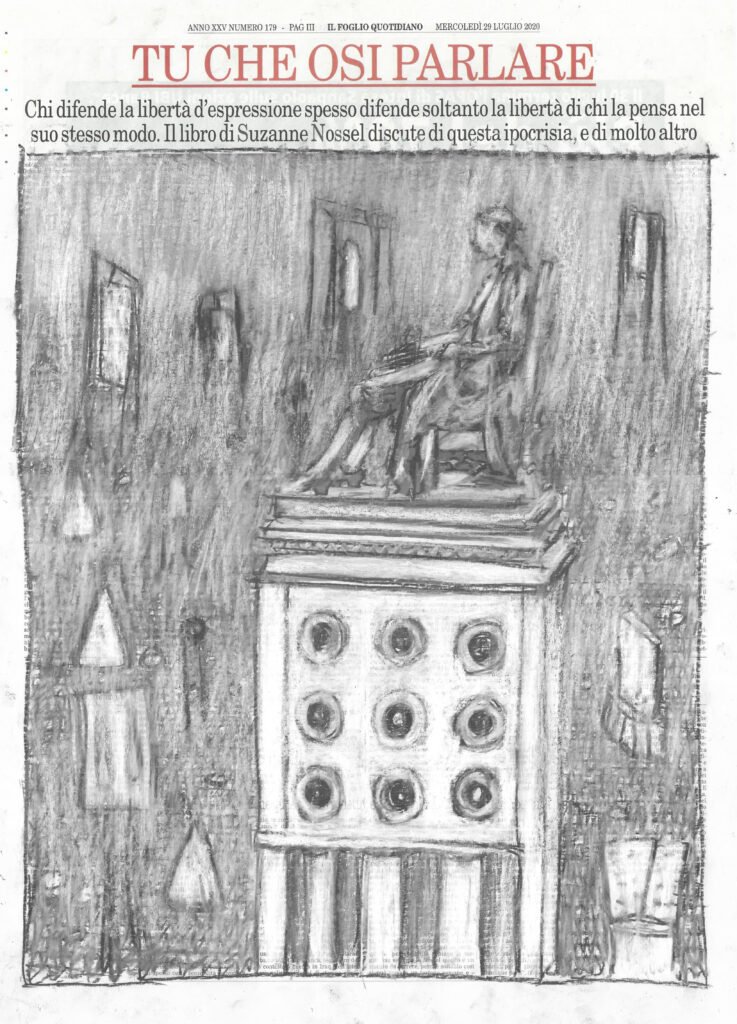
It is a show in which I have collected 36 works I produced in 2026 which, taken as a whole, pose a direct question to so-called artificial intelligence: Quid Tum, AI? Which could be translated as: “So now, what do we do?”
It is a reference to Leon Battista Alberti’s famous winged eye.
The question seems particularly pressing today, in a global scenario where the digital revolution is eliminating, at supersonic speed, any notion of debate or free discussion. Before the option of free will, a person’s ability to autonomously decide their own thoughts and actions, is erased by the hyperscalers of Silicon Valley, I felt a spontaneous urge, after being struck by a Proustian short circuit, to reread Plato’s Allegory of the Cave.
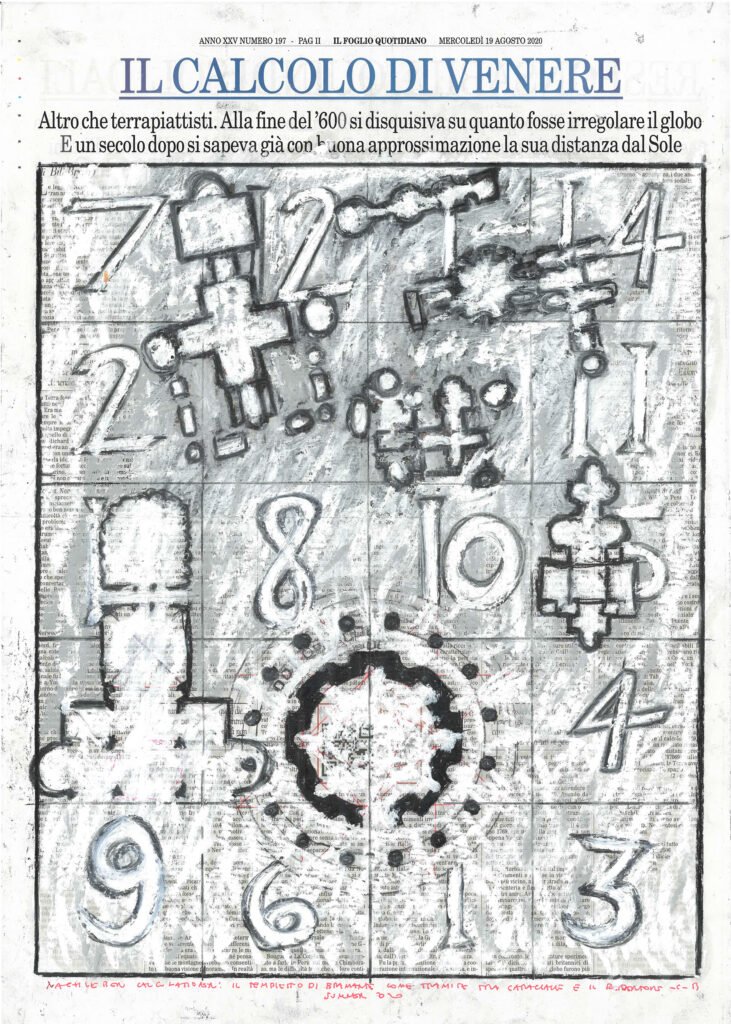
I started grafting “primitive” graphic symbols onto the pages of Il Foglio Quotidiano AI, the world’s first newspaper written by artificial intelligence, an experiment that has captured attention around the world.
It is a series of works somewhat different from the drawings I have produced for previous shows, as I have experimented with a mix of techniques, including collage.
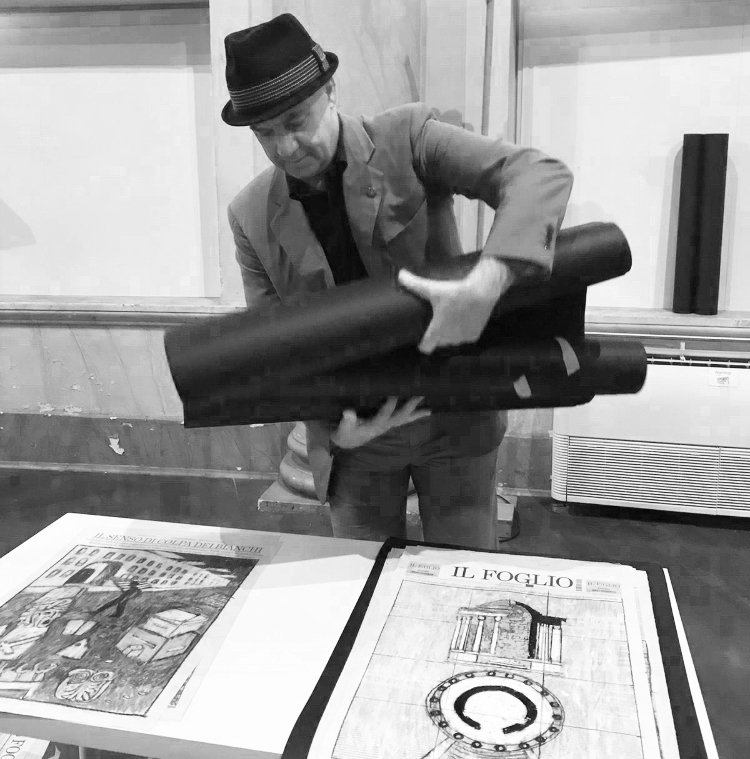
Photo: pipe
And where did that bring you?
The experiment planted a doubt in my mind: whether we like it or not, the planet’s inhabitants find themselves reliving an extraordinary Nachleben of the myth of the cave, a posthumous reimagining of a myth that many would prefer to leave behind.
In other words, the 36 works seem to suggest that the population today dwells in a space similar to Plato’s cave. it is a condition for which the population itself appears genetically unprepared: being “enslaved” by applications engineered to generate addiction to a single activity, observing on the wall shadows cast by the new figurines and objects that diligent, read: overly zealous, attendants, or artificial intelligence applications, carry behind the low wall to which we are chained without even realizing it.
Many seem to believe that those shadows are the only reality that exists. In several cases, they even believe that they are the only shadows that have ever existed.
Hence the need for the exhibition as a sort of “special edition” of Il Foglio, featuring a different AI. As a way of posing the issue. Or the uncomfortable question.
THE TRAVELER AND THE CITY
What do you notice, as an architect and an artist, when you walk through a city that maybe most of us don’t?
Well, I’m interested in the atmosphere, the Stimmungof every single place, but also in the details. What kind of shops are there, the people running the shops, architectural details, the food, the climate, of course.
So it’s a very large spectrum of things that puts you in a good mood or a bad mood. But I generally try always to find something positive about whatever I see.
For instance, just last week I went to Slovenia to see the work of the Slovenian architect Jože Plečnik, which I wanted to see for a long time. And of course, now that it has become a UNESCO site, the moment you get there, there are a million people everywhere. But we managed to go see some of the most remote things. And we saw some very great stuff that gave us enormous pleasure.
But even then, it’s a sad place. Not only because of the people, but because of the tourists.
So, if you asked me, “You had a good day?” I would tell you, “Great. I saw fantastic stuff.” But it’s sad.
You’ve lived and worked in Boston, New York, Milan, Rome and Berlin. Which city changed you the most as an architect, and which changed you most as a person? Or is that the same question?
As an architect, probably New York. But Berlin is the one city, maybe because of the stage of my life in which it happened. I believe I have written three books on the Berlin experience, because Berlin is a very strange, unique place where a lot of things have happened in a very graphic fashion.
The urban structure, for instance, is very interesting to me. It’s actually the basis of this urban model that I envision for open road. But also, it’s a very romantic (or Romantic as in the philosophy?) place.
It’s a mix of many things. It can be very sad, it can be very alienating, but it can also be very romantic. And there’s an incredible array of astonishing, stunning architectural work that speaks to me in many ways. Some of them are completely opposite: the most logical rigor in the work of Mies van der Rohe, for instance, and the very expressionist work of Scharoun, for instance.
It had a big impact on my thinking. And it’s a crucible. Not necessarily in a positive way. But it forced me to take a number of stands on a number of issues. And that probably would not have happened if I had not been there. That’s the way I would put it.
How did Rome change you as a person?
Rome is a dimension of time to me; it’s not a city.
And I like the way the Romans live and think, this notion of staying loose and not being too serious about anything. It’s a very refreshing way of seeing life.
And of course, for an architect, it’s irresistible.
It makes you think about the relationship with time and the relationship between form and time. I’ve done a series of drawings about Rome, and I’ll probably keep doing them all the time.
They make you realize that probably Rome was put on the planet with one single goal in mind: to keep forcing forms to reappear, to be born again through time.
There’s this German sociologist called Georg Simmel, who is a very interesting person to read. And he wrote this little book about Rome, Florence and Venice. And when he talks about Rome, this is around the turn of the century, 1903, I think, he uses an aesthetic category which is called “as if.”
What it means is that when you get to Rome, even though you’ve got the most unimaginable stratification of layers, when you walk in Rome and there’s something from Roman times, across the street something from the Renaissance, and then you’ve got the 17th-century church and then whatever, it looks as if this were planned.
It’s like the hand of time managed to produce this incredible harmony.
Do you think that’s also because the people living there had such good visual taste?
Yes, but I think it’s also the result of having been under one king, which was the Pope, for a long time. And at a certain point, when Julius II becomes Pope, then you’ve got that stunning 20 years in which everything happens in Rome in terms of architecture.
So, there’s this process of secularization being interpreted very well by the Vatican for about 200 years, and then everything stops. And then you’ve got these two centuries where nothing happens. Everything becomes like a ruin, and then you have to keep preserving all of this stuff because there was no development at all. So that’s probably also the reason.
Are you team Borromini or team Bernini?
Borromini, definitely.
MENTORS, TEACHING & PRACTICING ARCHITECTURE
WHY HARVARD?
You studied first at the Politecnico di Torino and then you went to Harvard. What made you want to leave Italy and go to the United States?
Well, I studied in Torino, then I started working in Milano for Aldo Rossi and Ignazio Gardella. And this was at the time, exactly at the time, when the Mani Pulite scandal occurred, which sort of brought the building activity pretty much to a halt.
At the time I was thinking, maybe this is a good time to keep learning? I was also very young, and I wanted to keep studying, in a way.
So, I applied to Harvard and to the school in Venice. Harvard accepted me, the school in Venice didn’t, so I went to Harvard.
Do you remember the architect that you were when you arrived at Harvard GSD? How was the Paolo who left different, as an architect or as a person, or both?
There were a lot of Spanish guys at the time, the mid’90s. There was Rafael Moneo, Enric Miralles, as well as South American and Swiss architects, such as Jacques Herzog and Pierre de Meuron.
The interesting thing about Harvard is it’s very international. They normally invite the most interesting people around to teach, even for just a semester or for a couple of years. For me, it was a crucial experience, also in getting used to a completely different environment, way of living and culture.
And I was very much attracted by the scale. The sheer scale of American architecture is completely different from the European one.
So I produced something there that was quite unprecedented. Instead of doing a project for the thesis, I produced a book, which is like a comparison between European and American ways of understanding architecture using three case studies.
A lot of people got excited about it. Number one, it was the first one of its kind, I guess, and two, because the argument was compelling and produced a very strange level of excitement.
They managed to get the book to I. M. Pei’s partner, Henry N. Cobb, who at the time was actually looking for somebody to produce a monograph on him. So, once I finished, after the discussion of my thesis, I was hired by him to exactly do that.
It was also a very unusual situation, because for two years I met with this guy, who had 50 years of professional experience at one of the most prestigious firms in the States, on Saturday mornings to discuss his life and work.
And those conversations sound like another book?
Yes. It came out 20 years later. Henry Cobb. I think the first Cobb to go to Harvard was in 1799. So he’s Boston, Harvard, bred and buttered.
On the one hand, he was sort of convinced by others to publish this book, but on the other hand was completely uncomfortable about having a book written about himself. So we had very unusual and strange conditions to work with. We were two years at it, and then it took 20 years to get published. But yes, it got published. [Henry N. Cobb: Words & Works 1948 2018: Scenes from a Life in Architecture].
WHAT HARVARD GAVE HIM
What did Harvard give you that you don’t think you could have learned anywhere else?
The sense that anything is possible, provided you go for it.
I was sort of shy growing up, and I never had the impression that what I was doing was worthy of anything. Whereas there, I got the impression it was.
Was there a professor, critic or fellow student at Harvard who fundamentally changed the way you thought about architecture?
The guy who was a mentor to me was my thesis advisor, a Canadian architect called George Baird. I went to him and I proposed this thing that had no precedent, and he just went with it. And he hooked me up with the most important critics present at the time.
So I had the time of my life doing it.
Also, you have to remember that this was done in English. So this was somewhat reckless, to produce a document of this sophistication, not in my native language. For me, it was like a gigantic, enormous intellectual effort that I somehow managed to perform.
I find it hard to believe I had the energy to do it, but I did. I think it’s also because of him.
Is there anything about architectural education at Harvard in the 1990s that you think today’s students have lost?
The difference between my time at GSD and today is that today students don’t have time to work. Meaning that there is so much coursework. But this also happens at the Politecnico, where I teach. You tell them to go see something two kilometers away, and then the next week you come back and they say they didn’t go because they don’t have time.
But the reality is that the program has changed. Today, every hour you’ve got some class, lecture, seminar, whatever, that don’t give you free time to think, or to do your own thing, or to go see something, which for our profession is extremely crucial.
And this is quite a shame, I think. But it’s this logic of credits. And it’s like some sort of horror vacui rhetoric that has completely eliminated any notion of otium.
But otiumis, for me, the most important time of your life because apparently you don’t do anything, but you’re concentrating on something that is of interest to you.
If you don’t have that, then you’re losing something that is very important, some reflective time.
There would be no such thing as philosophy without some free time.
Yes, exactly.
BEING A TEACHER
What advice do you give to aspiring architects or to your students?
I always tell my students that they have to learn to prioritize. You make a list, see what is important and do the important stuff. And the rest of the stuff, do it in a much quicker way. But they seem to have a hard time doing that.
It’s such an important aspect of our job; you have to make the main decision first and then the second decision afterwards.
If you walked into Harvard tomorrow at the GSD and you were given one studio to teach with complete freedom, what would you ask your students to investigate?
If I were offered an opportunity to teach a studio now, I would probably do what I’m doing this semester in Genoa.
This semester, I ask them to design a house for someone where they have to, number one, identify the client and their needs: meaning it can be a house for a pianist, for an artist, for an art dealer, for a musician, for a book collector or a writer.
And then they create this house on an ideal site, on a slope ending in a body of water, determining where to put things in relationship to the landscape, etc.
Do architecture students normally get projects like that to do, or is it more unusual? It sounds like a nice union between creativity and practicality.
It’s an unusual project for students. The slope with the water makes it interesting because of the way you have to interact with it. Let’s say you have a piano inclinato [a slope] and then the water is in the way, so you can decide to put something in the water. But then once you put something in the water, then the humidity becomes a problem.
Also, if you have the body of water you have to ask yourself: how do you get there? You have to have a bridge or a boat. Immediately everything has consequences.
There’s also the relationship between the building and the landscape. It forces you to have to deal with a number of consequences. It’s very much different than being on a flat landscape.
So that’s, for me, the approach. It’s not just the architectural form. It works differently from painting, where you go into a room and there is a painting on the wall. With architecture, you have to experience it through time. So this idea of the promenade is essential. It’s also essential the way you approach the form, how you get in, and what happens when you get inside. I’m also interested in this way of building up some sort of anticipation, excitement. It’s crucial, the way you establish the promenade.
ROSSI, GARDELLA AND COBB
You workedwith architects Aldo Rossi, Ignazio Gardella in Milan and later at I. M. Pei.’s. practice in New York.What did you absorb from those very different experiences, and was there anything that you consciously rejected?
Well, I was fresh out of school when I worked with all these three, and these are people that I had enormous respect for to start with. And not only me. When I went to Aldo Rossi’s office, he was probably the most famous architect in the world, the most revered. But he was a troubled soul, so it was very, very, very difficult to interact with him. I was just witnessing what he was doing, doing my job.
Then I started to work for Gardella. He was very, very old, but with the same, very, very sharp mind.
Architecture takes an enormous amount of time to learn, to understand what is happening with all the different forces involved. So I don’t think anyone can do that in their late twenties. They used to say it’s a profession for old men. And there is a reason for that because it takes a lot of time to be recognized, to get stuff built and mostly to understand what the issues are.
The one I had more interaction with was Henry N.Cobb. And it’s interesting I was speaking with someone who had 50 years of working experience. And he was very open about whatever issues need to be discussed; it was a great learning experience for me.
What is the most rewarding part of being an architect?
The most rewarding part is to get something done, to get something done in the way that is close enough to what you envisioned. Because it’s impossible to get it exactly how you wanted it normally because you have to work between the cracks of power.
The power is not in the hands of the architect. It’s in the hands of everybody else, mostly the client or the city or the construction workers. So you have to find a way to move in the spaces between these conflicting powers so that the project gets in a way that is somewhat close to what you had in mind.
And what is the most challenging part?
It’s the same thing!
Of the works you’ve completed, is there one that you feel came closest to your original vision?
Yes, I would say Bercahaus in Berlin. I’m happy with it. There are a couple of things that I would have changed, but this is the case with any architect.
But yes, overall, I’m happy with it. And it got, I think, good reviews and was fairly well received.
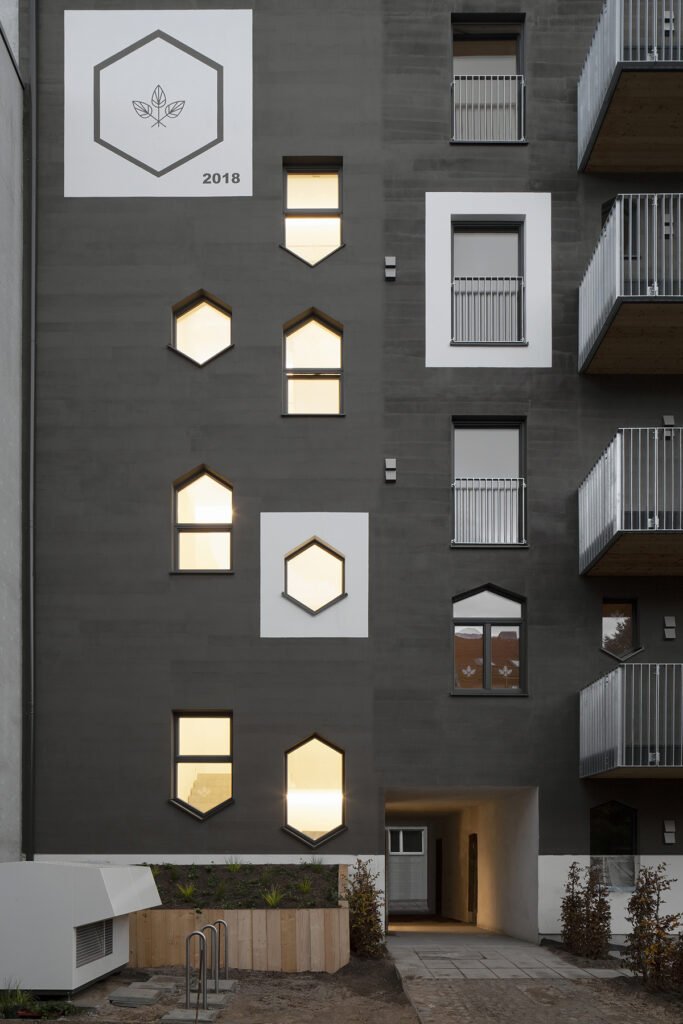
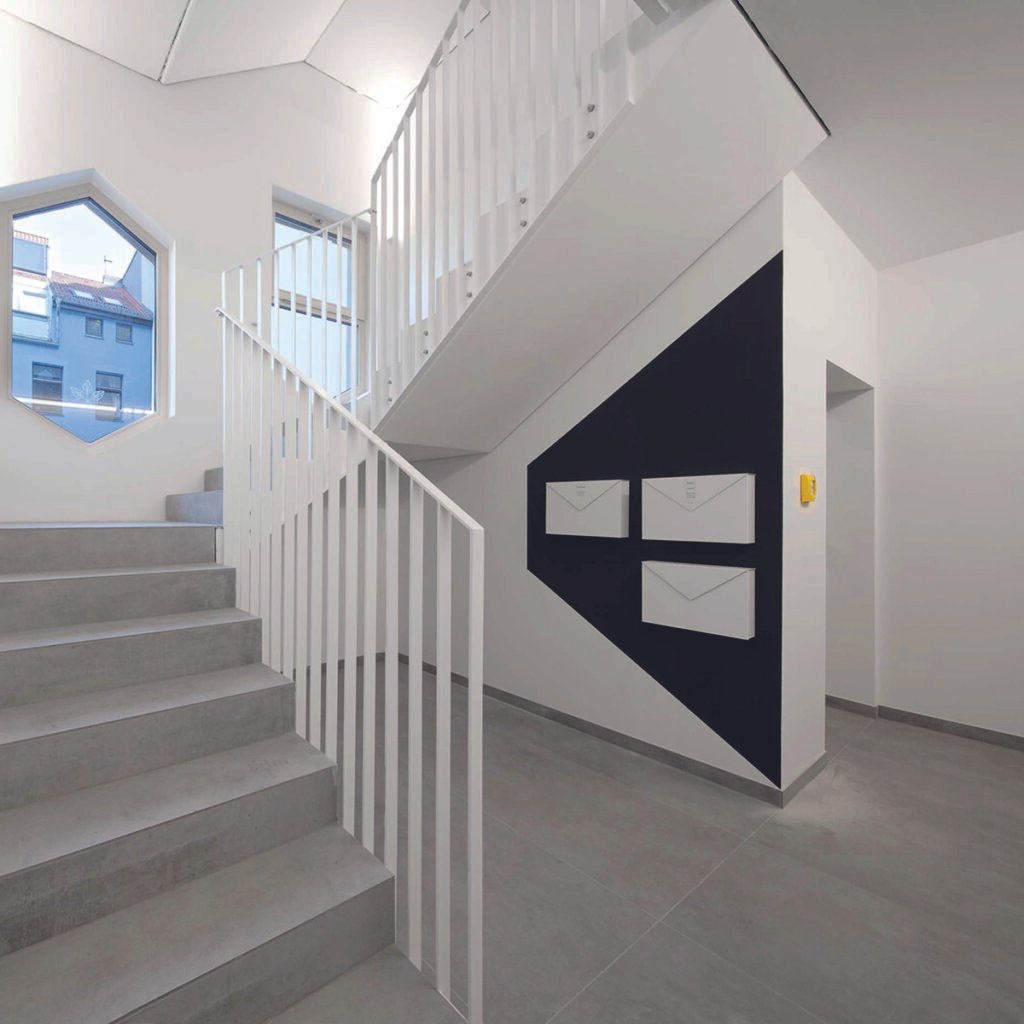
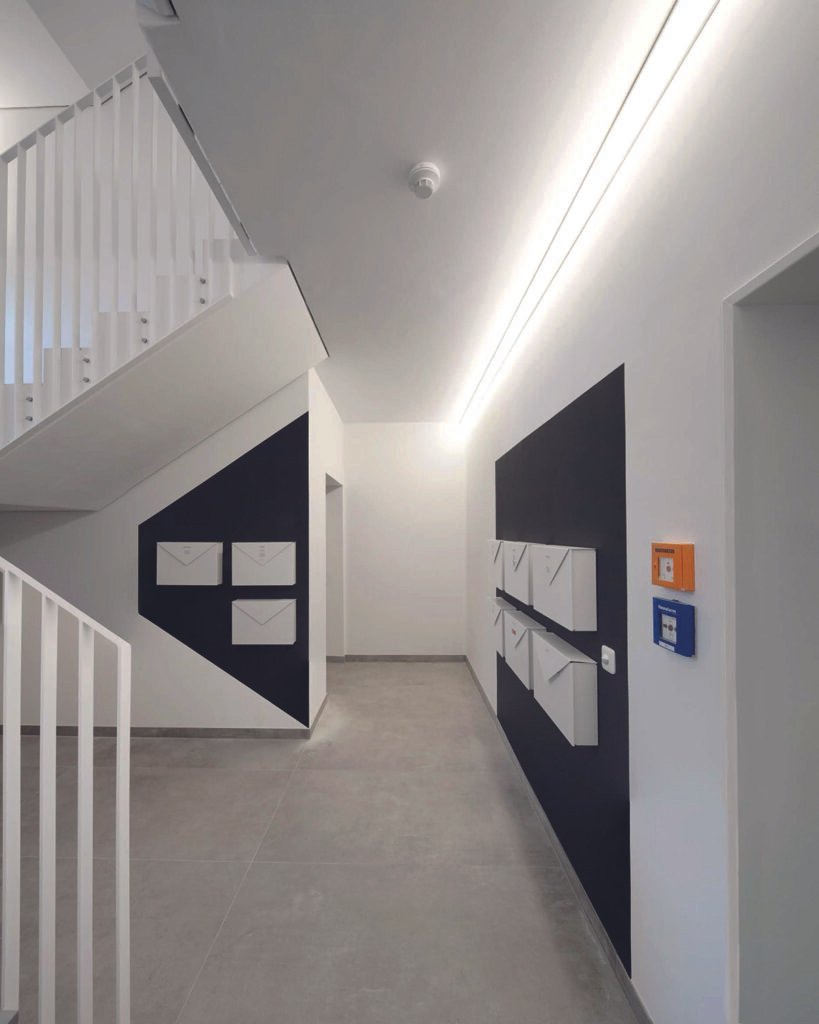
Exterior and interior images, Bercahaus
If you could change something about doing architecture in Italy, what would it be?
I think the current competition-for-commission system has got a lot of problems.
Number one, particularly in this country, they allow you to hold a competition without having the money to build the building. Most of the time, you win the competition and then nothing happens.
Sometimes they don’t even pay you the prize for a competition! Normally, the prize is a tenth of the amount you spend to produce the work.
And then there’s the jury problem. Most of the time in Italy in particular there’s not one single competent member of the jury. Some projects, they don’t even have an architect in the jury, which is appalling.
So also, most of the time, there are open competitions and everybody can enter. And then there is the issue of the résumé. For instance, a few years ago they launched a good number of competitions for making schools, from primary school to secondary school. And of course, in your résumé, you have to prove that you’ve done a school in the last ten years.
The problem is that Italy did not build any schools for 30 years, except for in a few limited regions like Friuli or Trentino. So it’s a very unfair competition. You’re in a competition where there are like five offices in the country that actually built some schools and everybody else couldn’t.
So yes, the whole system is really depressing.
Not an easy place to be an architect, it sounds like, at all.
Yeah, yeah, yeah. It’s becoming almost impossible.
BERCAHAUS, COLOR, SUSTAINABILITY, NONCONFORMISM & ARCHITECTURAL TASTE
BERCAHAUS AND COLOR
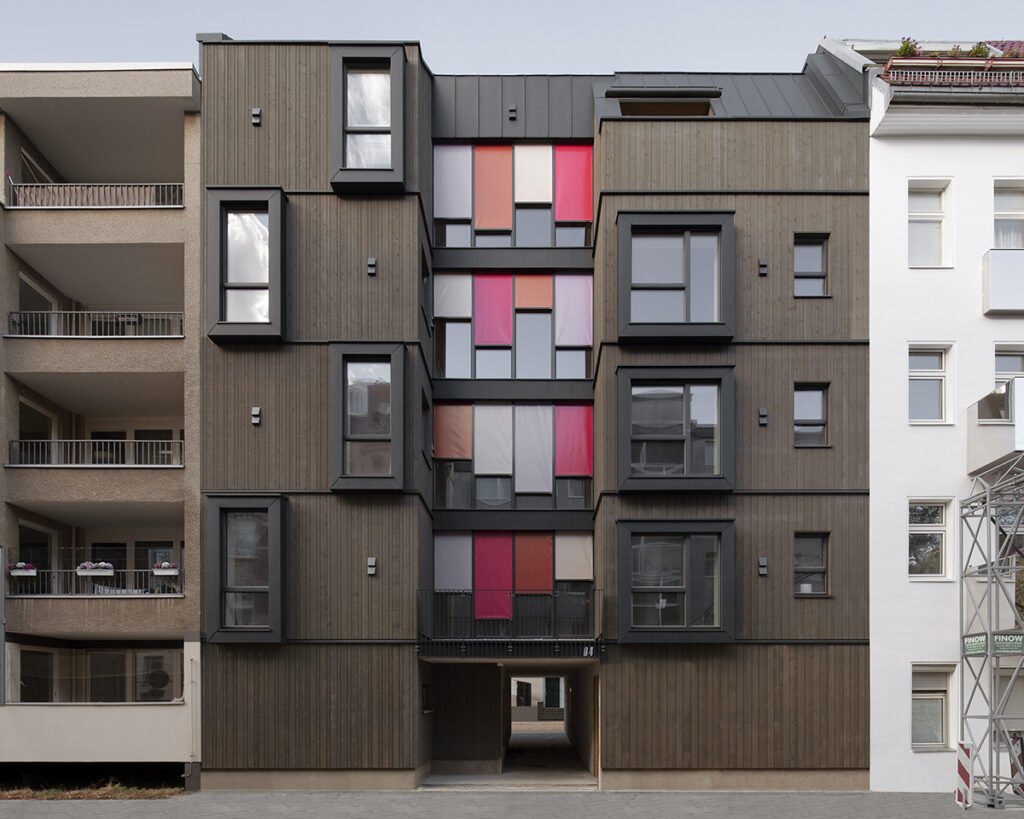
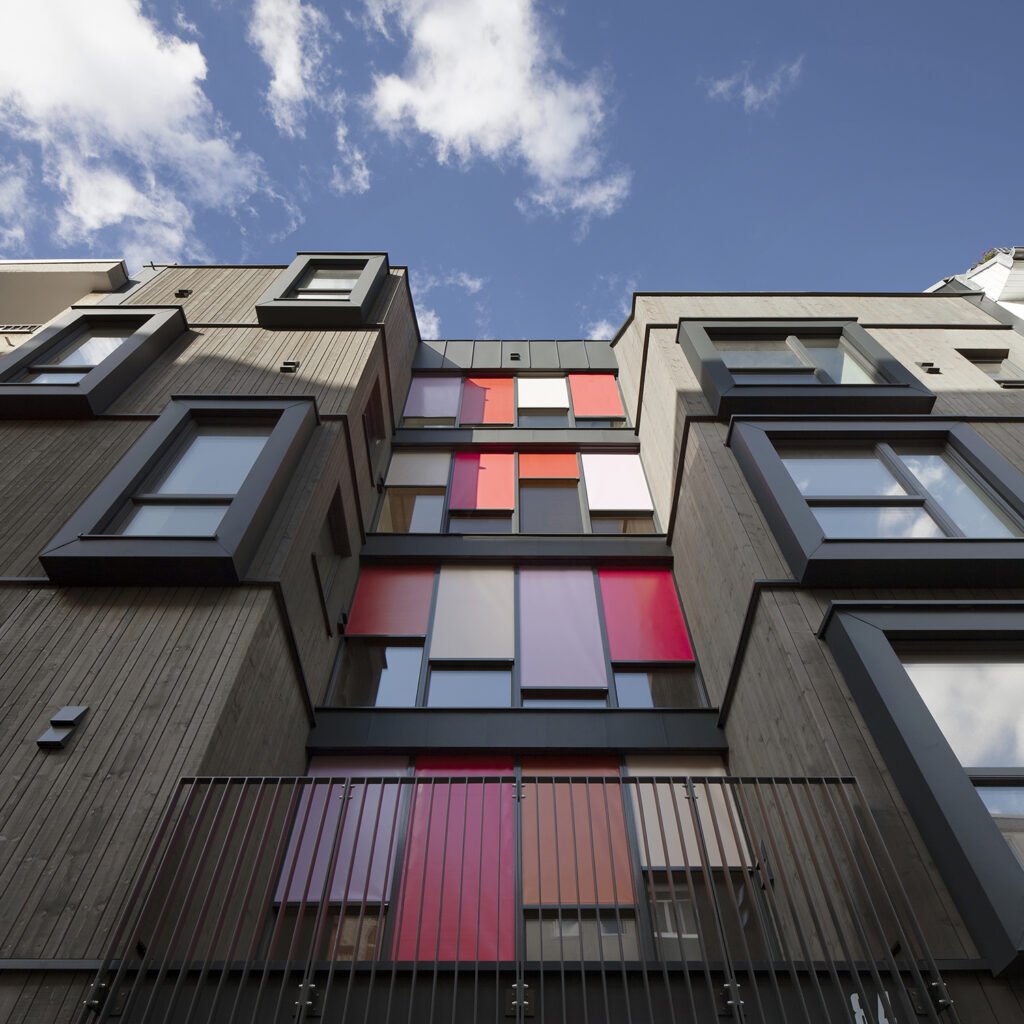
Bercahaus has a very distinctive use of color. What led you to the palette of colors that you chose? What role did color play in the architectural concept? Was your use of it aesthetic, functional or emotional?
Well, here, there’s a material reason, and it has to do with the shade, because this building is like two towers framing a glass wall. The thing is that this façade is facing south. So, you get direct sunlight, and in the space in between the two towers where the glass is, you’ve got most of the living rooms. So even though the sunny days in Berlin are not that numerous, when there are, they tend to get quite warm. So, you have to have some shading outside.
And also, the most eastern part of West Berlin used to be like a working, not a super-happy environment. And the façade is very austere, even though it’s in timber, which is sort of a shock, because I think it’s the only timber building in that area. It’s actually the first highly prefabricated timber building ever built in Berlin, which was put together by an Italian firm.
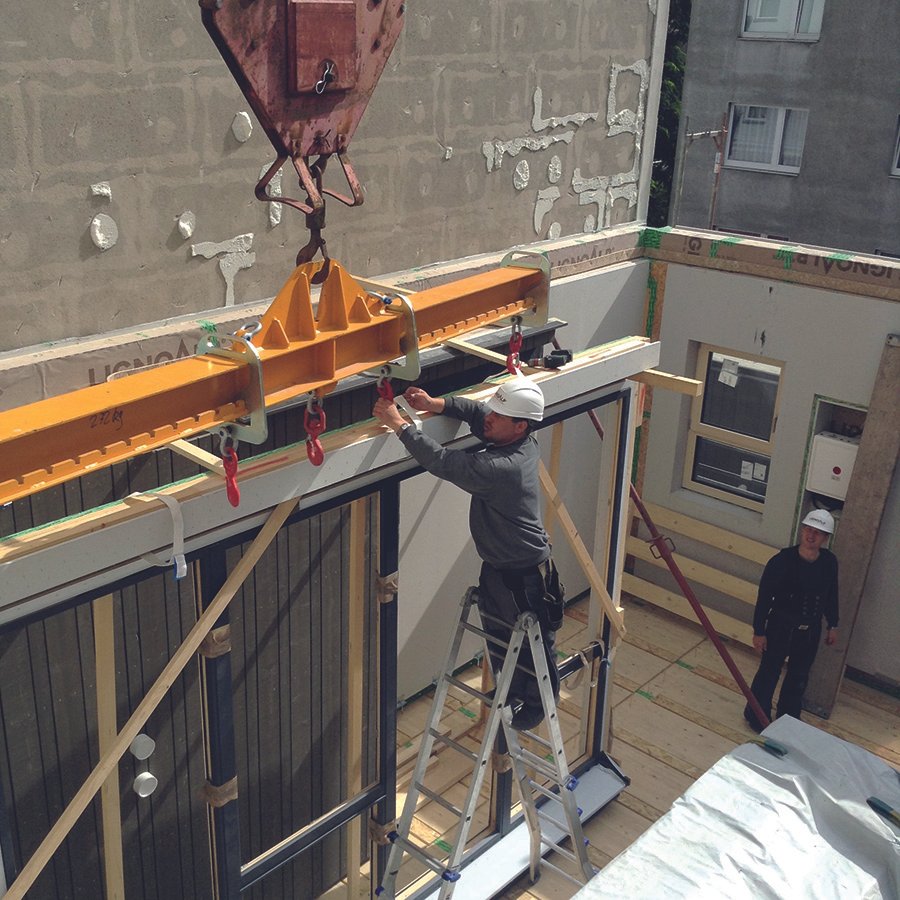
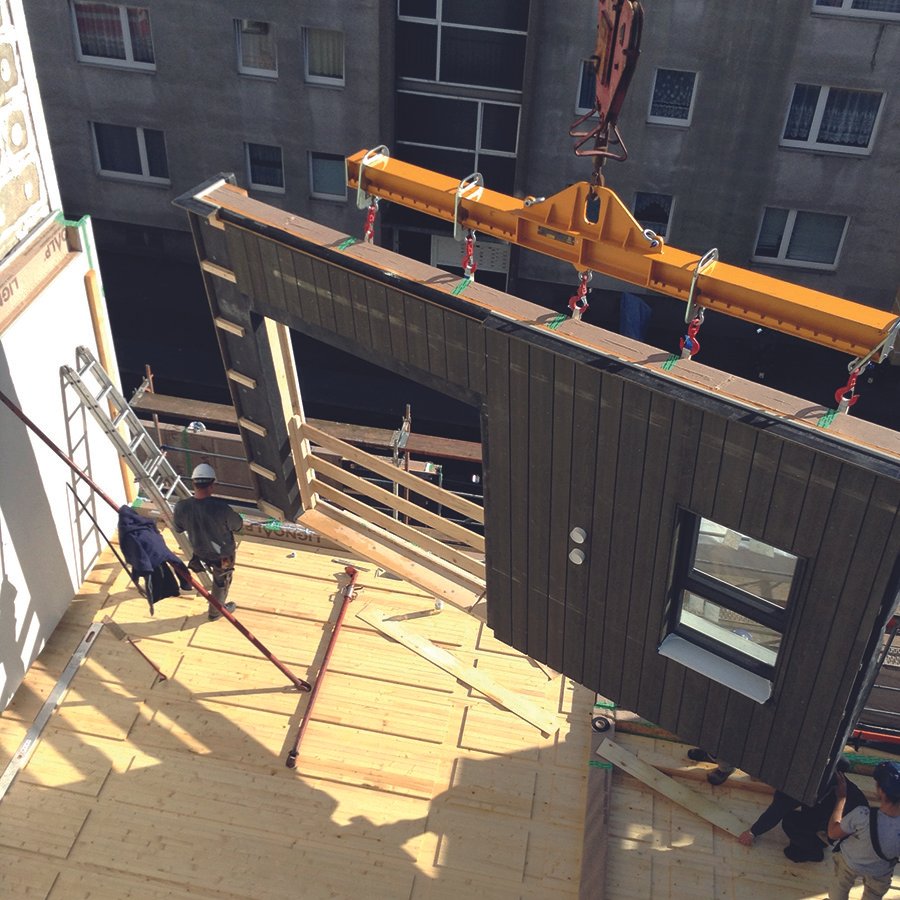
Yes, I read that. The prefabricated timber components came from Italy, and it took them 21 days to put the structure’s shell together.
So you have this building in timber, which is a unicorn in the area, but it’s at the same time very austere. So I thought that it would be a good idea to bring some joy by using colors whenever it’s needed.
Because most of the time you don’t have control, because the people who live inside can decide to draw the shades or not.
But yeah, the palette… I couldn’t give you an exact logical explanation, but it’s a range of colors that I found was working very well with the timber… that’s an example of what I said about working between the cracks of power.
Every frame has an individual curtain and they are mechanized, so that means you can draw them with a remote. But of course, it’s more costly [that way]. Whenever I came up with the idea of the shades, they said, ‘Okay, we do two shades,’ which would be less money involved, let’s put it this way.
You would cut the cost in two, but it doesn’t work for composition reasons. And somehow, I managed to convince them not to do it.
I’m glad they listened to you.
TIMBER AND SUSTAINABILITY
Did working in timber change your ideas about what sustainable architecture could actually look like?
Yeah. I have to say this technology has made a quantum leap in the last quarter of a century, in every aspect. And once you see it, it’s a very different way of working. Because basically, when you think about it, the traditional technology doesn’t make much sense.
Here, there’s a lot of engineering beforehand because you have to design everything. You have almost no tolerance. You have the tolerance of an inch or maybe two inches. So once the engineering work is done, then you start producing these elements in a warm factory by using super-precise machines. So you reach a quality that would be unthinkable on site. And then the system overall, and the rapidness, the quickness of it, is just staggering.
As I said, they put together a five-story house in three weeks.
And so it’s quite a spectacle. I think I’ve done a little video showing the way this was being done on my YouTube channel.
Watch the construction of Bercahaus on Paolo Conrad-Bercah’s YouTube channel.
It makes a lot of sense because you have complete control of the cost. Once you get the preventivo [estimate], it matches the final cost. So you get what you pay for. It’s super quick, so it saves a lot of interest money because normally, whatever, you get loans and you get a debt with banks.
So, if you do it in a month, instead of six, you save five months of interest.
And number two, the quality of the final product is superior in every aspect, but also in the energy-saving aspect.
So these buildings, they consume very little, if nothing at all. It depends. You can also design so that it doesn’t consume energy at all. In fact, it produces energy that you can sell to the grid.
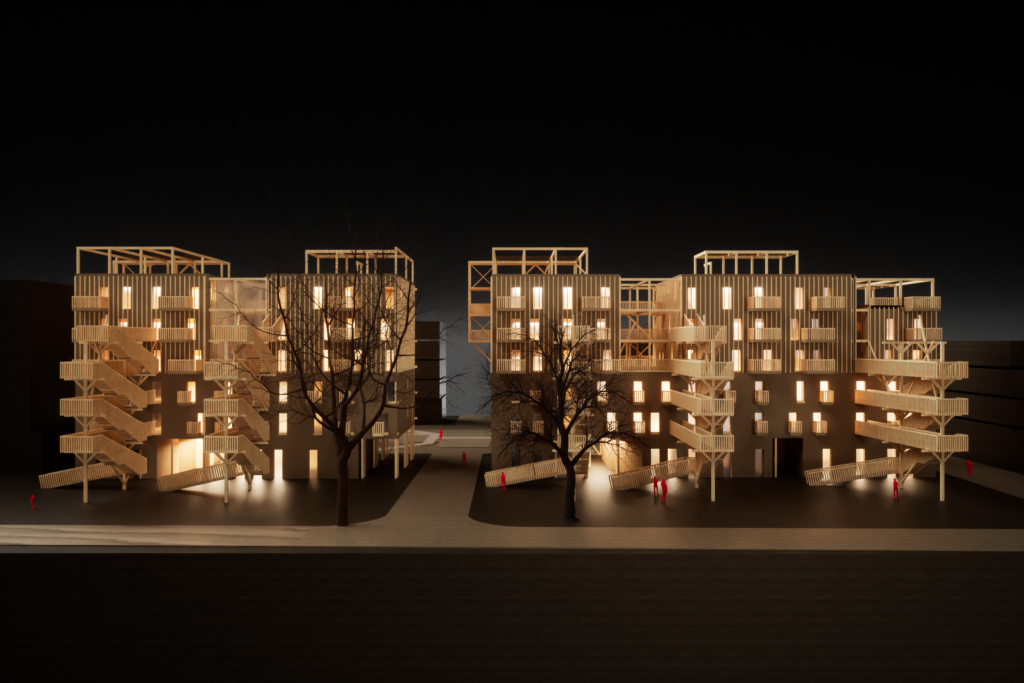
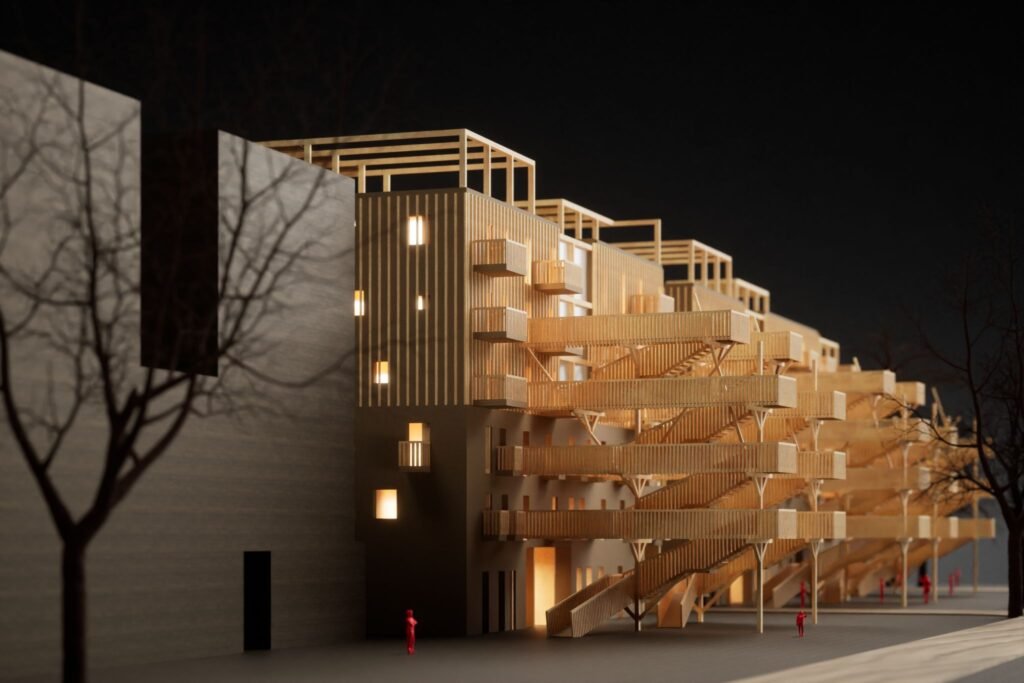
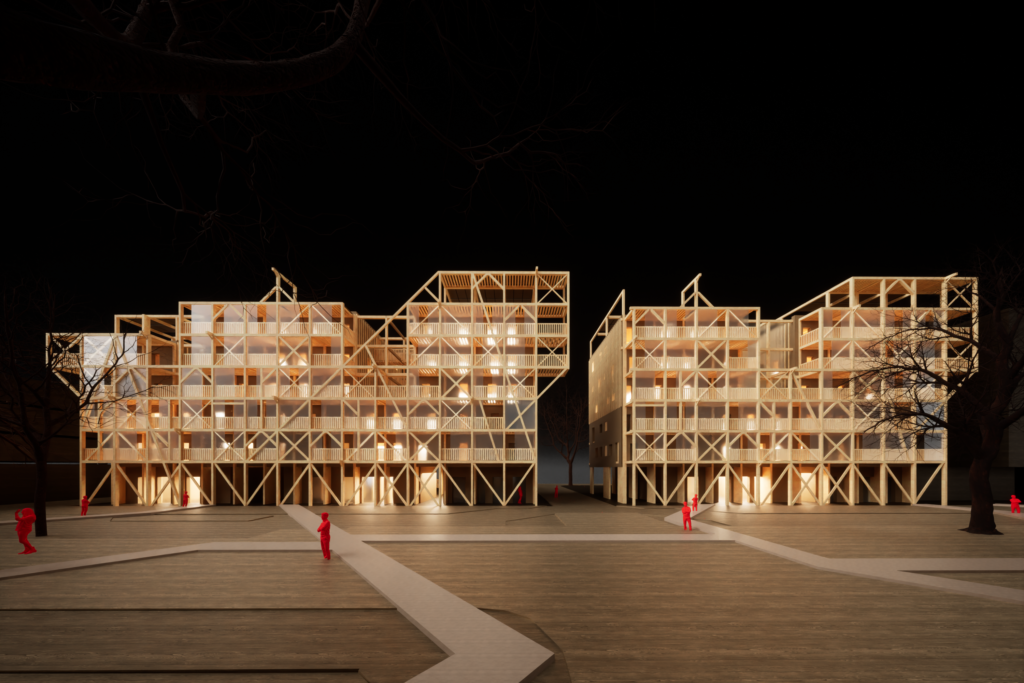
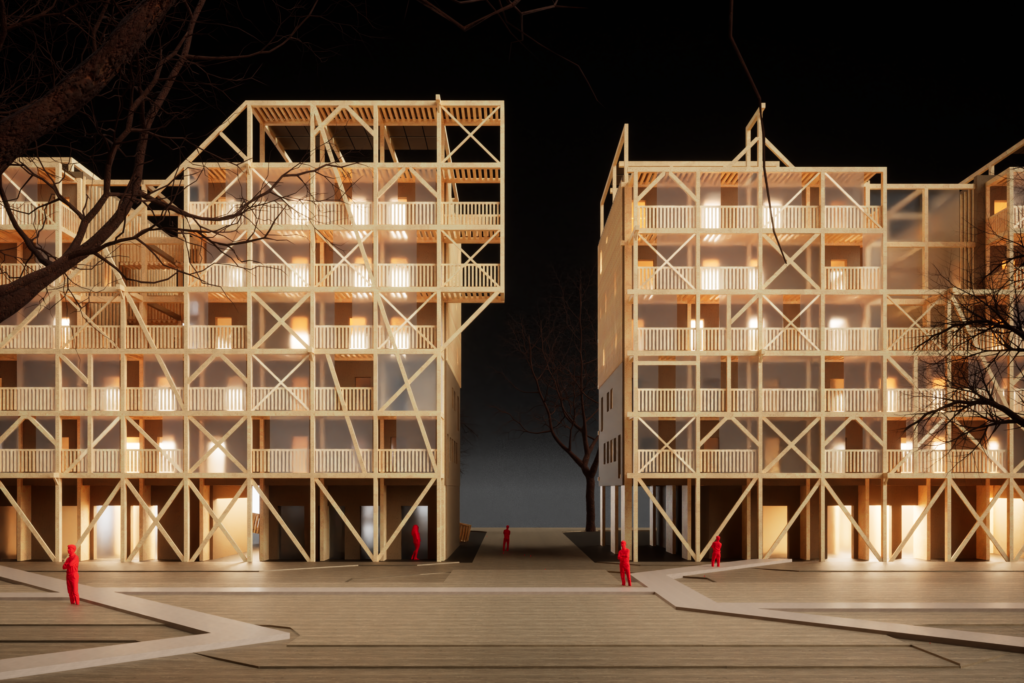
Timber Social Housing Project, Bologna
With solar panels?
Well, it depends also on the thickness of the walls, because the thicker it is, the more insulated it is. So then you need less energy.
It also depends on the way the installation is done. If you do geothermal or solar panels or whatever, depending on where you are. But yeah, I think it’s the only true sustainable technology.
And of course, if you do something very tall, normally you do a hybrid. So parts are done in concrete and then others are in timber, and that makes a lot of sense. So yeah, I support it in a very convincing way.
COLOR BEYOND BERCAHAUS
How important is color to you generally in architecture, but also in your drawings and artwork? Is it something you think about from the beginning of a project, something that emerges later, or a bit of both?
In the artwork it’s not that important, because most of the stuff I do tends to be black and white. Maybe some little red in it. I don’t know why, but this is the way it is. It’s more arguably perhaps because it’s done mostly on newspaper that is also black and white, and the way it enters, it’s like this. My stuff is like an edizione straordinaria of the paper.
In architecture, it depends on the program and the topic.
But, for instance, this is one thing I forgot to mention. Bercahaus is like a mile away from one of the great buildings of social housing done in the ’30s in Berlin, just before the Nazis came to power, by this guy called Bruno Taut, whom I admire immensely.
And if you’re into colors, you really have to look at his work and the way he uses colors in his buildings. They are mostly housing.
So he normally has a stucco or a brick façade in one color, but then each individual window frame is in a different color, or the doors, or the entry doors, or the attic.
It’s a very brilliant use of color.
So were you also thinking of Bruno Taut when you used color in Bercahaus? Was it almost a conversation between his work and yours?
Yes.
THE NONCONFORMIST
You seem willing to challenge prevailing orthodoxies, in architecture and elsewhere. Do you consider yourself a nonconformist, or are you simply skeptical of ideas that become fashionable before they’ve been properly questioned?
Both, I think.
But the thing is, this profession, each case is different. In the end, it’s one thing to do a house in Sicily. It’s another activity in Tirolo or Switzerland or whatever, because the climate is different, the working condition is different, the country is different.
So, by definition, it cannot have general rules. Rules that apply everywhere. In fact, they don’t.
And also the most interesting works, of course, are those who sort of take the start from considering all these aspects and produce a reaction to the working condition.
So that’s the way I see it.
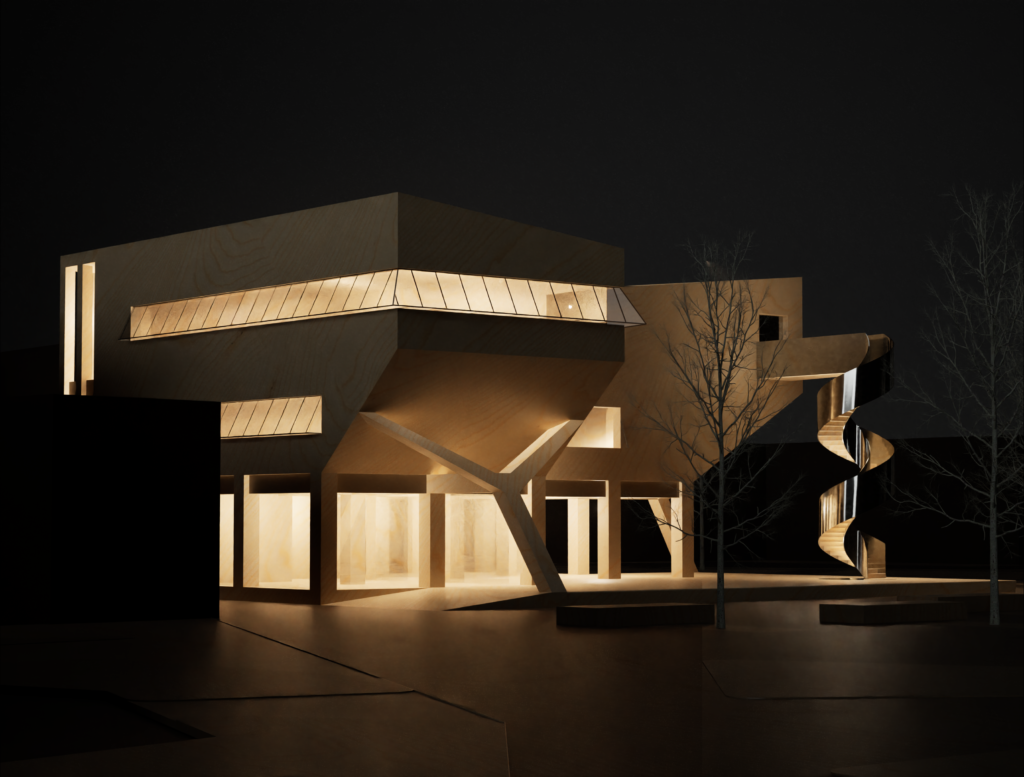
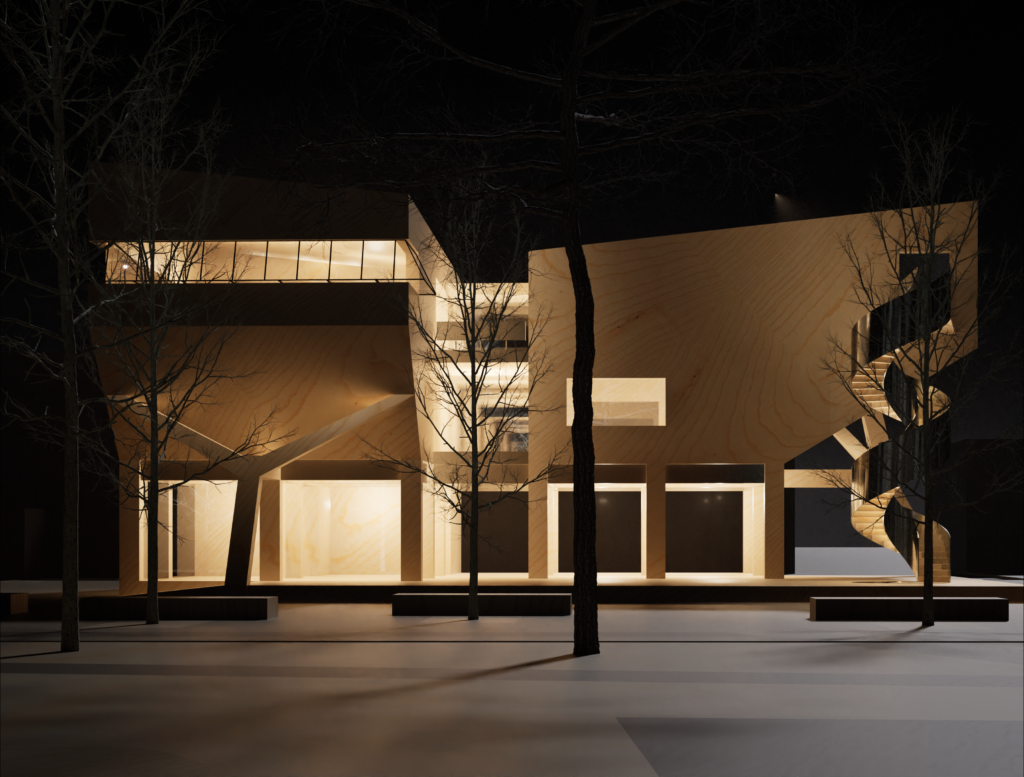
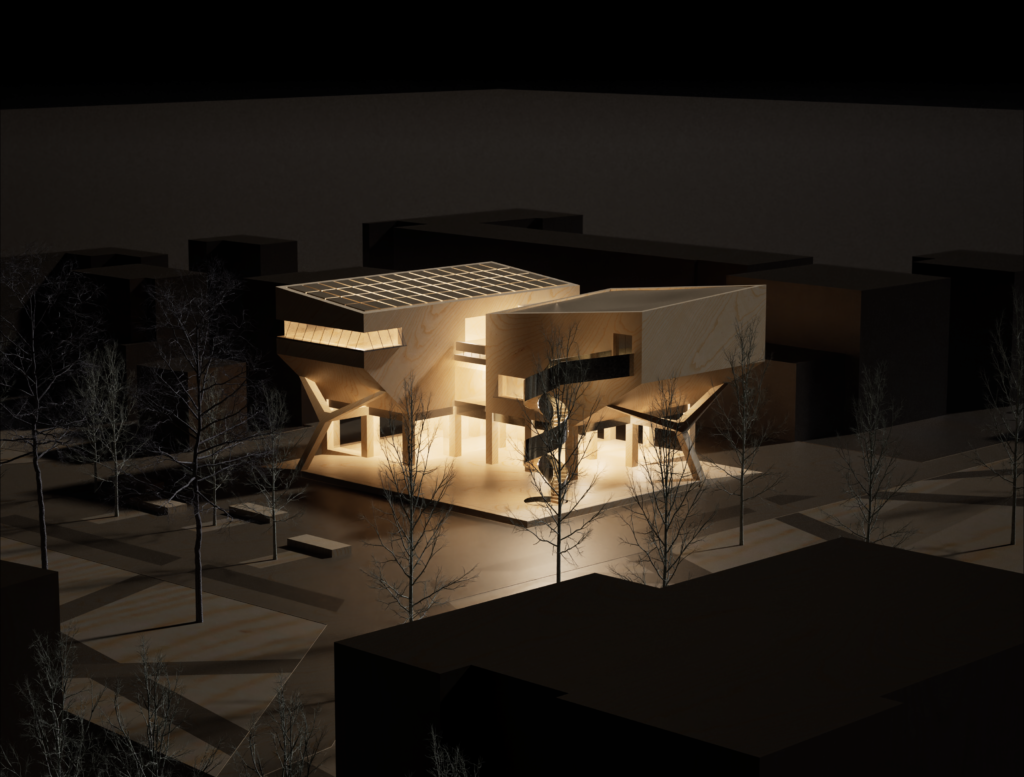
Centro Civico, Genoa
What are your three favorite works of architecture?
The Pantheon in Rome, the Alhambra in Granada and the Mosque-Cathedral of Córdoba.
THE BUILDING HE HATES
Is there a famous building that architects or society admire that you secretly, or maybe not so secretly, don’t like?
I have a perfect example: it’s the Fondation Louis Vuitton in Paris. This I really hate.
Tell me why.
It’s a ridiculous waste of money in producing all these things that have no relationship with… I mean, Gehry used to be a fantastic architect up until he did the Guggenheim Museum. After that, I think that it’s almost impossible to find an interesting building. They become very formalistic exercises, like “just do whatever and it’s going to be cool.”
So to stay on point, with [the Fondation Louis Vuitton], they spent almost a billion euros to build this stuff and the building itself is very irritating. It’s a number of small rooms. They forgot to put the check-in point so you have to stay outside to go through the metal detector. I mean, we’re talking about 900 million. It’s so embarrassing.
I mean, he did it at the very end of his career, one of the most revered and celebrated architects of our time, and to do this is just beyond belief to me.
Also, as I said, we live in the society of the spectacle. So it’s all about the spectacle. And I cannot think of any building that actually embodies this virus, this disease, more… all the money is being put on this glass face outside of the building that you don’t even see once you’re inside because inside the museum it has to be dark. So you are in a very uncomfortable…
I mean, they do great shows, don’t get me wrong. The Rothko show, the Basquiat show. They do great shows. But you are always in these very cramped, congested rooms with a lot of people. You cannot even see the work, and all the circulation is completely screwed up.
So this, to me, is like a textbook case of what not to do as an architect. And it’s crazy that it was done by Gehry, an architect that I used to admire.
THE RECENT BUILDINGS HE ADMIRES
How about more recent buildings that you do admire?
In recent buildings, I have to say the two additions done by Bocconi in Milan. One is by this Japanese architectural firm called SANAA, Kazuyo Sejima and Ryue Nishizawa, and it’s the new campus. The second one is almost 15 years old, they’re Yvonne Farrell and Shelley McNamara of Grafton Architects.
They’ve done the main auditorium and office space and exhibition space and labs and whatnot. I have enormous respect for both projects.
ART & CINEMA
Is there a book, film or work of art that has influenced you profoundly?
When it comes to art or movies, to me, Antonioni is the greatest artist of the last century. Michelangelo Antonioni. I mean, I’ve recently re-watched some of his movies, and I think they keep getting better and better with time. It’s quite astonishing that he was able to do what he did.
This is just something that you might be interested in. I would have loved to be a movie director.
So, if you were not an architect, you would have wanted to become a movie director?
If you asked me what made life worth living, I would have to name a number of films: the Kubrick films, the Antonioni films, the Fellini films. They give me complete satisfaction.
Once you see this stuff, you are trapped in a double feeling: on the one hand, you feel depressed because you realize you would never be able to do something like this. On the other hand, you feel completely filled. If you ask me, ‘Do you want something else?’ No, it’s fine. I’m completely satisfied with this.
And in fact, when you think about it, to do a work of architecture or a film is not that different. You are the only one who can deliver the final product, and you have to manage an incredible, increasing number of professionals and people that are involved in the process. And they actually do materially the work, and so it’s out of your hands, but they have to somehow follow your instructions. So it’s tough, and there is always a lot of money involved, normally.
That’s why it’s so hard either to make a movie or to make a work of architecture.
If you could invite any three people to a dinner party, past, present, future, or even a literary character, who would you invite and what would you ask them?
David Foster Wallace, Buñuel and Fellini.
I imagine that a dinner with just Antonioni would be quite boring. But with these people together, it would be a lot of fun, I imagine.
THE DREAM COMMISSION
If you could design one project with no budget, political or practical constraints, what would it be?
I would love to do a library. And about the unlimited budget, I’m not sure, because constraints normally produce the most interesting results…
More creativity, working within the rules?
Yes.
Is there somewhere in particular you would want to build it?
I would have a library anywhere. I don’t care…Fifteen years ago, we had a great project, and then when I see what got built, I get depressed. It’s really a joke.
So I would have loved to do this one, but yeah, it didn’t happen.
THE HELSINKI LIBRARY
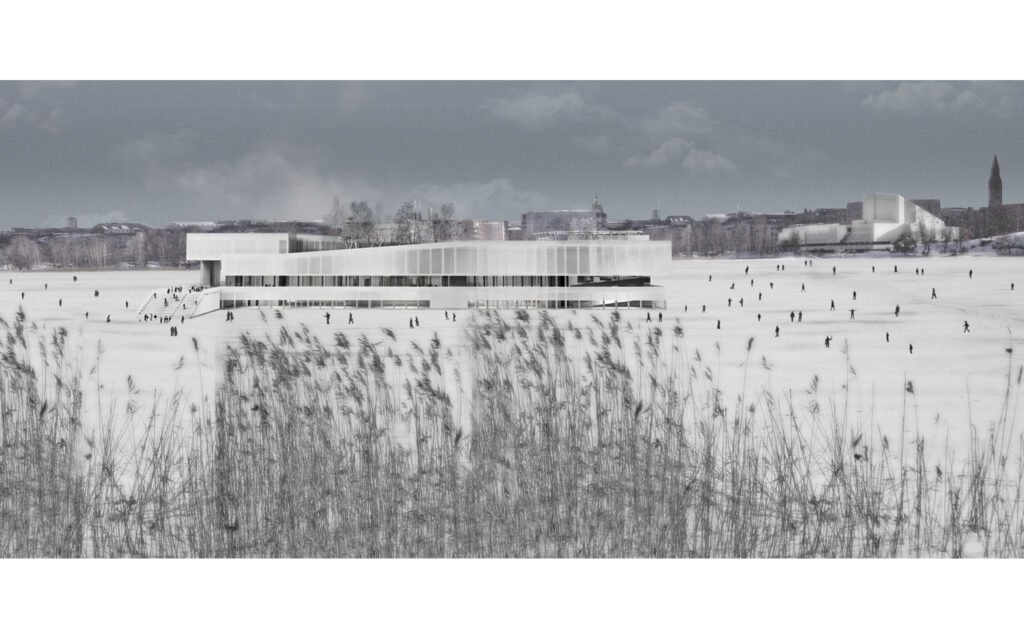
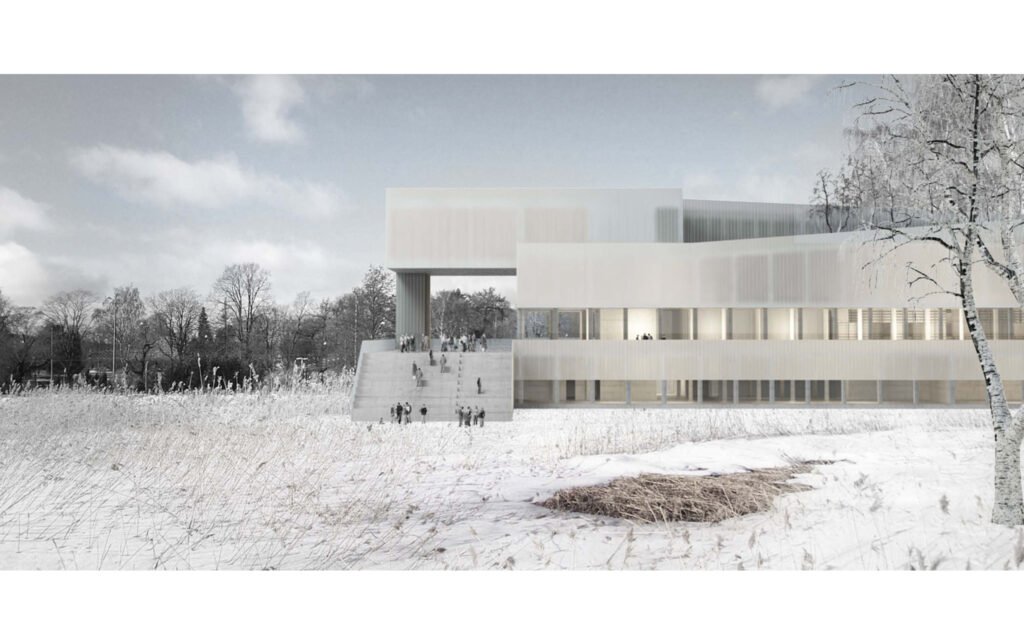
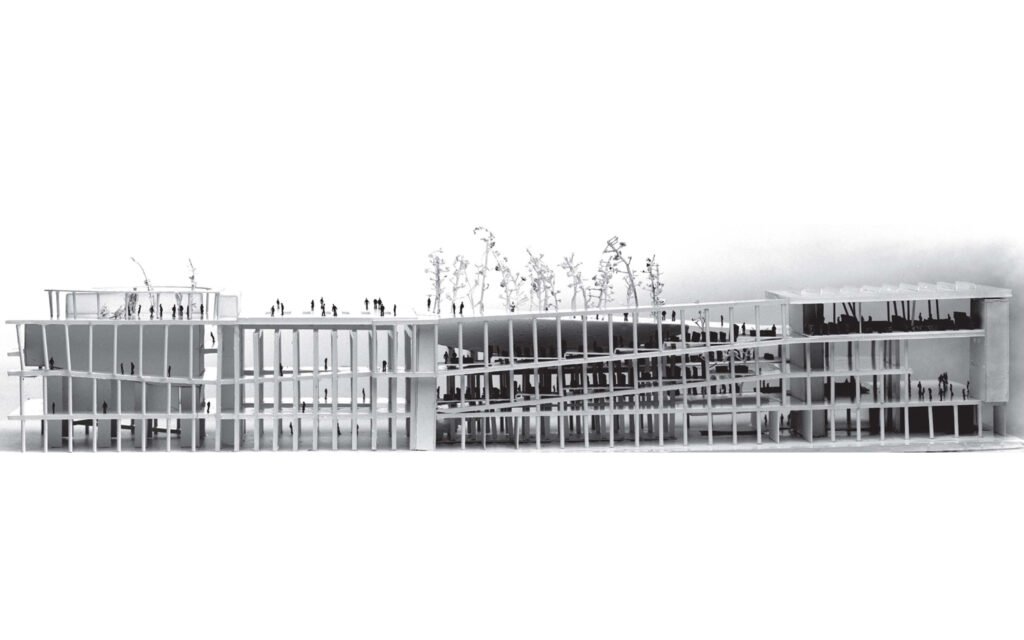
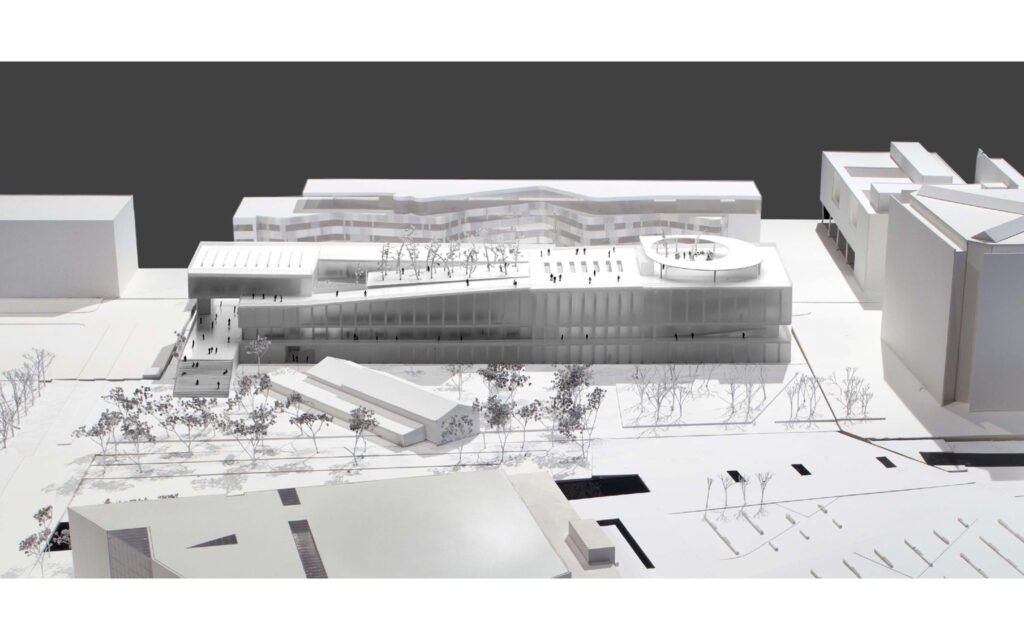
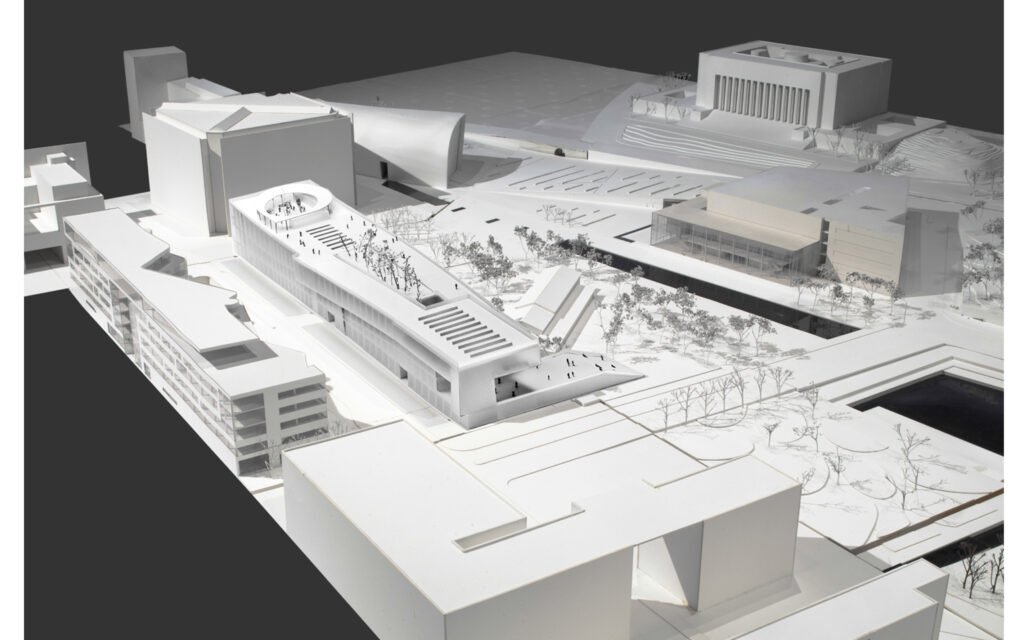
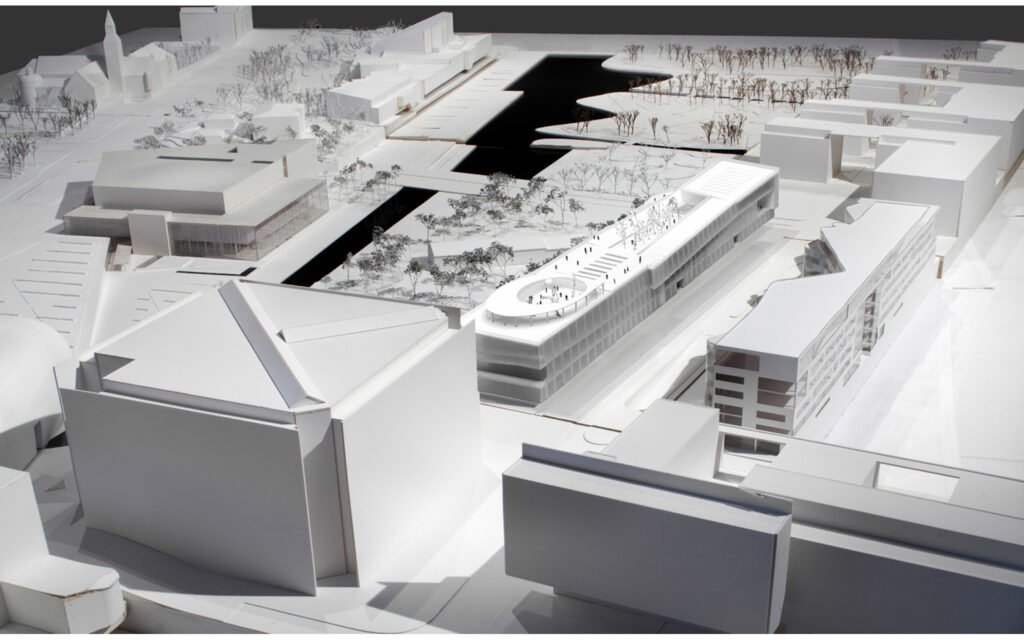
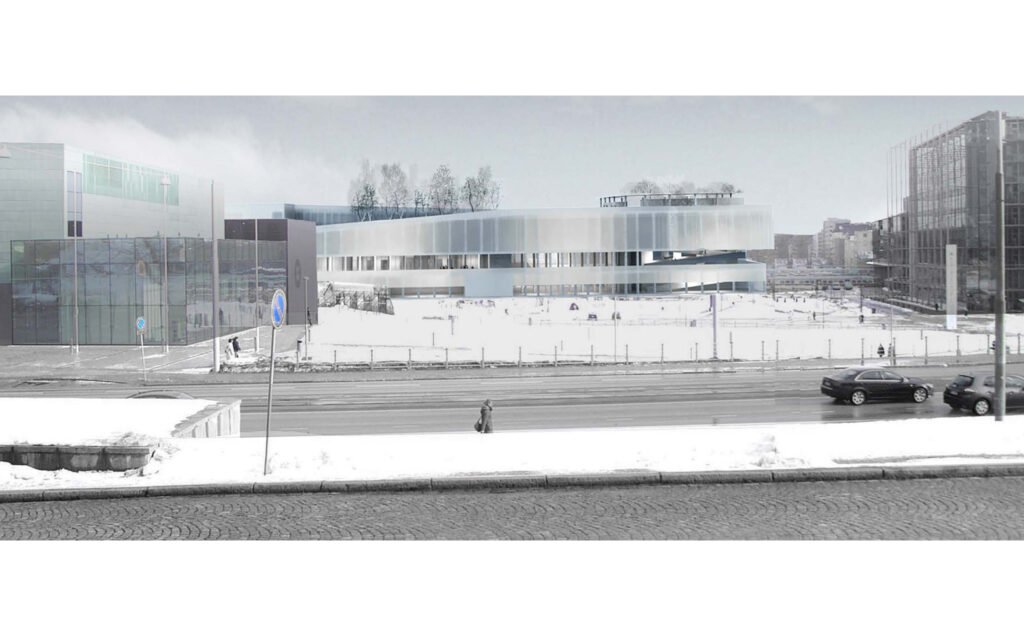
What was your proposal for the Helsinki library like?
Well, this is the most central area of town. And first of all, in the program, this library would have been open 23 hours per day.
And secondly, they call it the library, but they had a very interesting program because you had the spa, restaurant, exhibition area, a room for children, a room for playing music, a rare books room, a conference room, the whole lot.
And the fact that it was supposed to be open in the most central area of town almost all day, and the fact that, in Finland, you spend most of your life in dark conditions climate-wise, the way that you perceive the building at nighttime is almost more important than the one in the daytime. So we perceived it like an enormous lamp of knowledge in glass.
WHAT ARCHITECTURE SHOULD COMMUNICATE
What do you hope your buildings communicate, or any of your projects? What is the pathos that you want them to convey?
Well, this also changes from case to case.
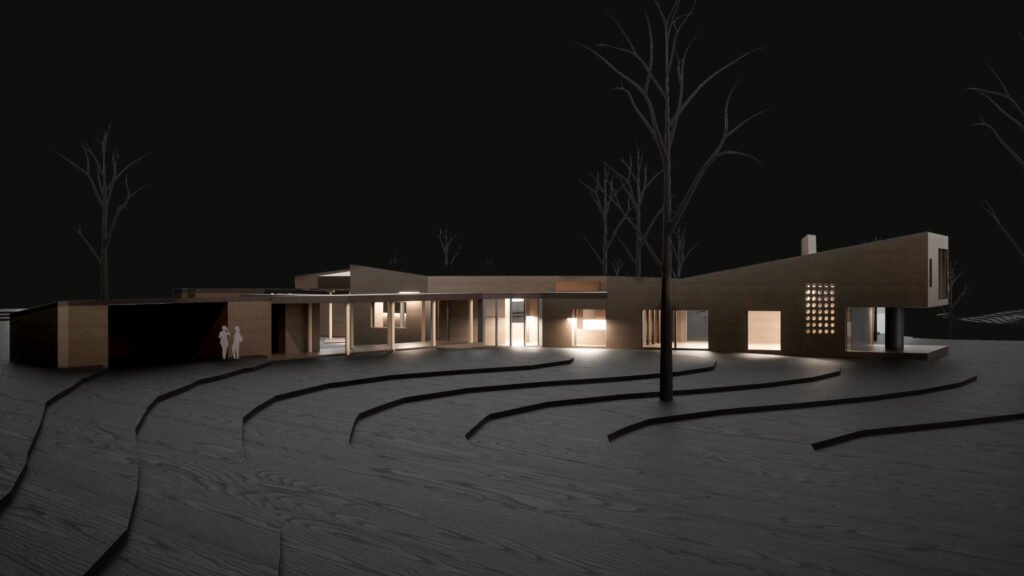
But one of my heroes is Adolf Loos, the guy who fought this great battle against ornament at the beginning of the century, Ornament and Crime. He has a very good line when he talks about architecture. He says you walk into the woods, and then you stumble upon a piece of marble, three feet by six feet, with a cross in it. And he says, ‘This is architecture.’ What it means is that you are moved. It means you understand that somebody is buried there and that somehow moves you.
The German term for this is Stimmung. There is no direct translation for it, but it’s like the atmosphere, the sentiment, etc. And he says that the job of the artist is to clarify the Stimmung of whatever program you have to implement. And that, I think, is completely right. One hundred percent.
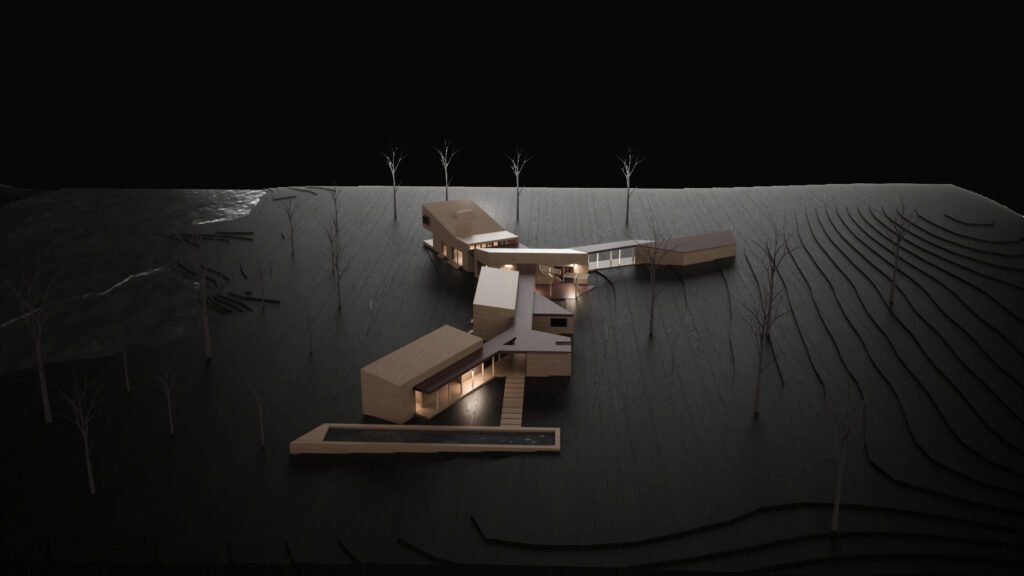
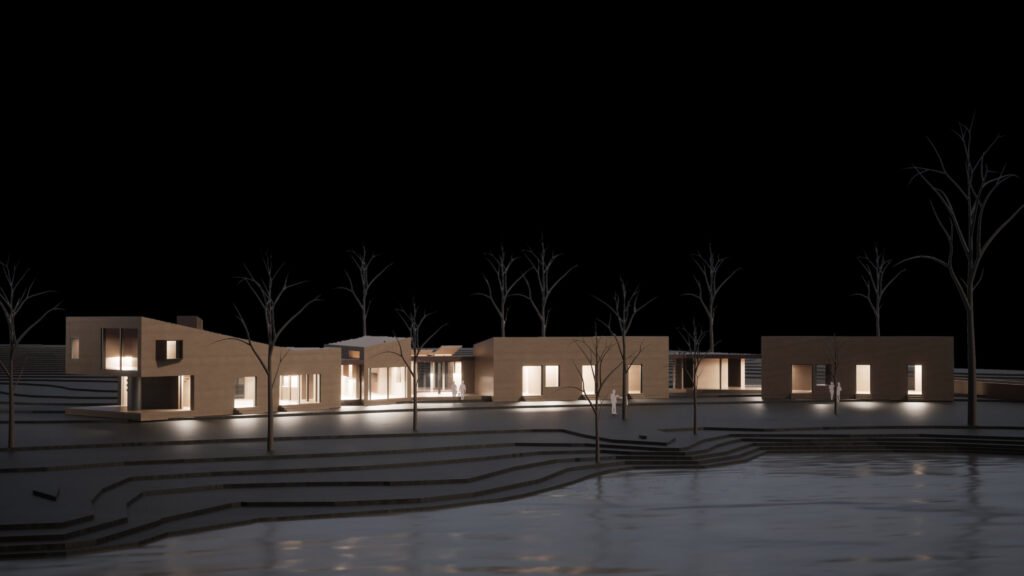
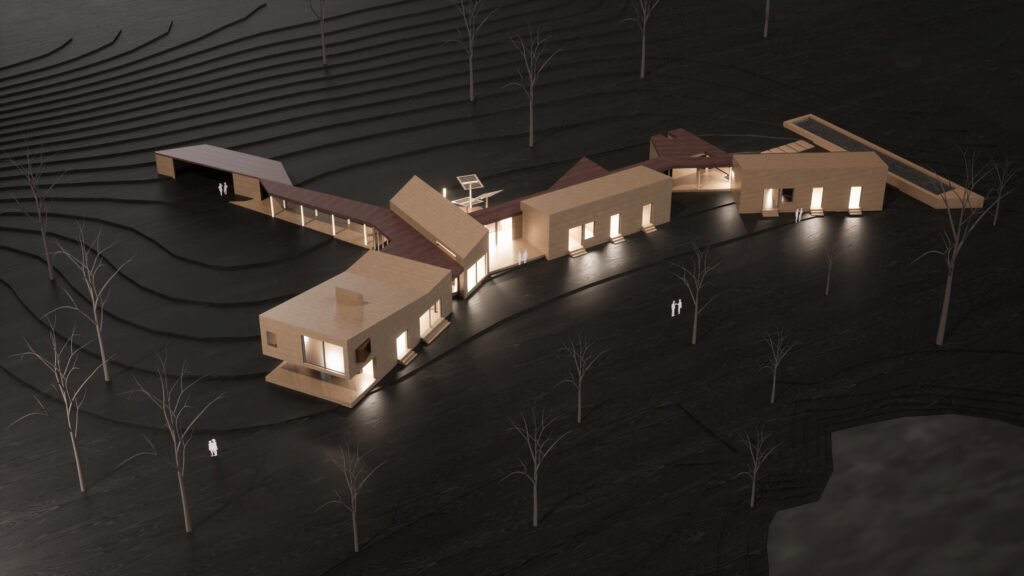
Shelter Island
It also relates to what you said earlier: the important thing for you is that there is a pathos being communicated, although obviously it depends on which project.
Yes.
WHERE HE IS NOW
At this stage in your career, what are you most interested in exploring?
I don’t know. I think that being an artist is like being a taxi driver. You’re being hailed, and you need to go there and then you bring them there.
Whatever comes my way, I’ll do it.
What are you still curious about?
I’m curious to see how this evolution of culture unfolds, because my perception is that this model we are in now is anti-human. And not sustainable. So I’m certain that at a certain point it’s going to fall. I’m not sure if it’s going to happen during my lifetime. I’m not saying that will happen tomorrow morning, ten years from now, fifty years from now. So that’s the part that I’m curious about, to see. And of course I have no power over it, but it’s something that makes me leave the bed in the morning.
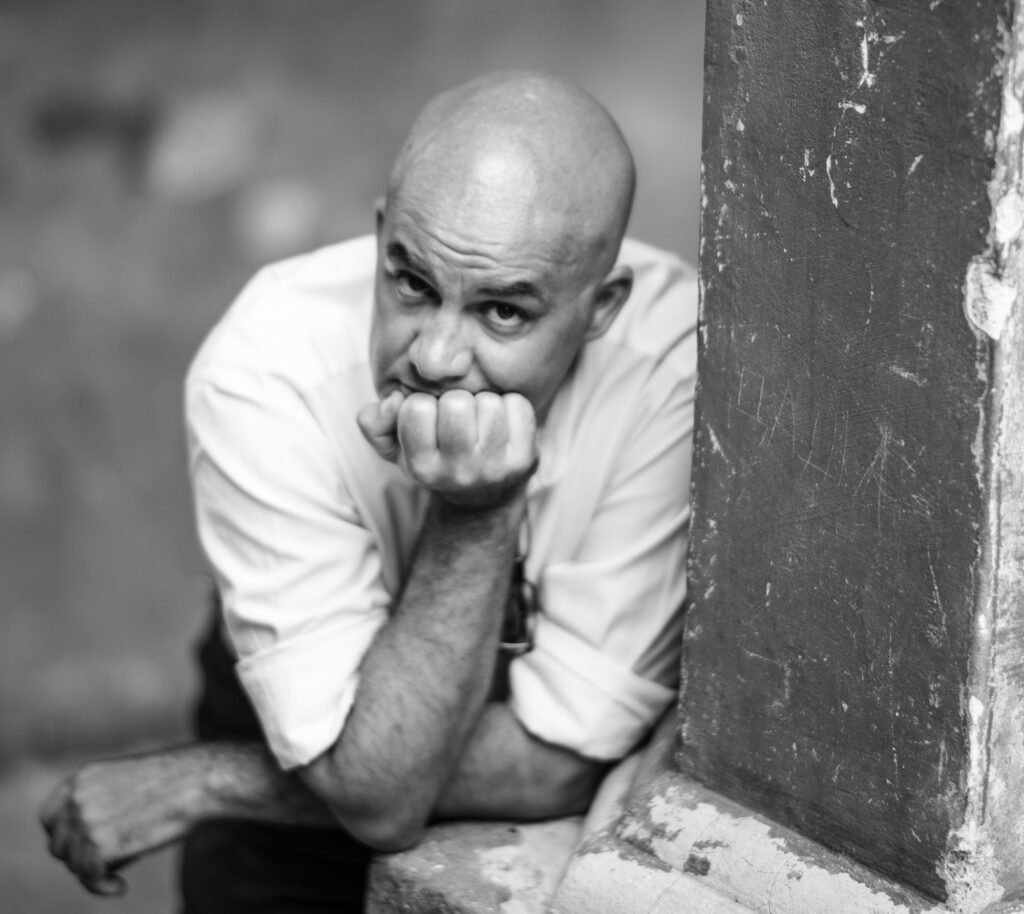
Photo: Gonzalo Puga
All images courtesy of Paolo Conrad-Bercah
Paolo Conrad-Bercah
Website:
https://www.c-ba.it/
Profile / Bio:
https://www.c-ba.it/profile/
LinkedIn:
https://www.linkedin.com/in/paolo-conrad-bercah-570bbb9/
Instagram:
https://www.instagram.com/paolo_conrad_bercah/
YouTube | Conrad-Bercah Architects:
https://www.youtube.com/@conrad-bercaharchitects475/videos